
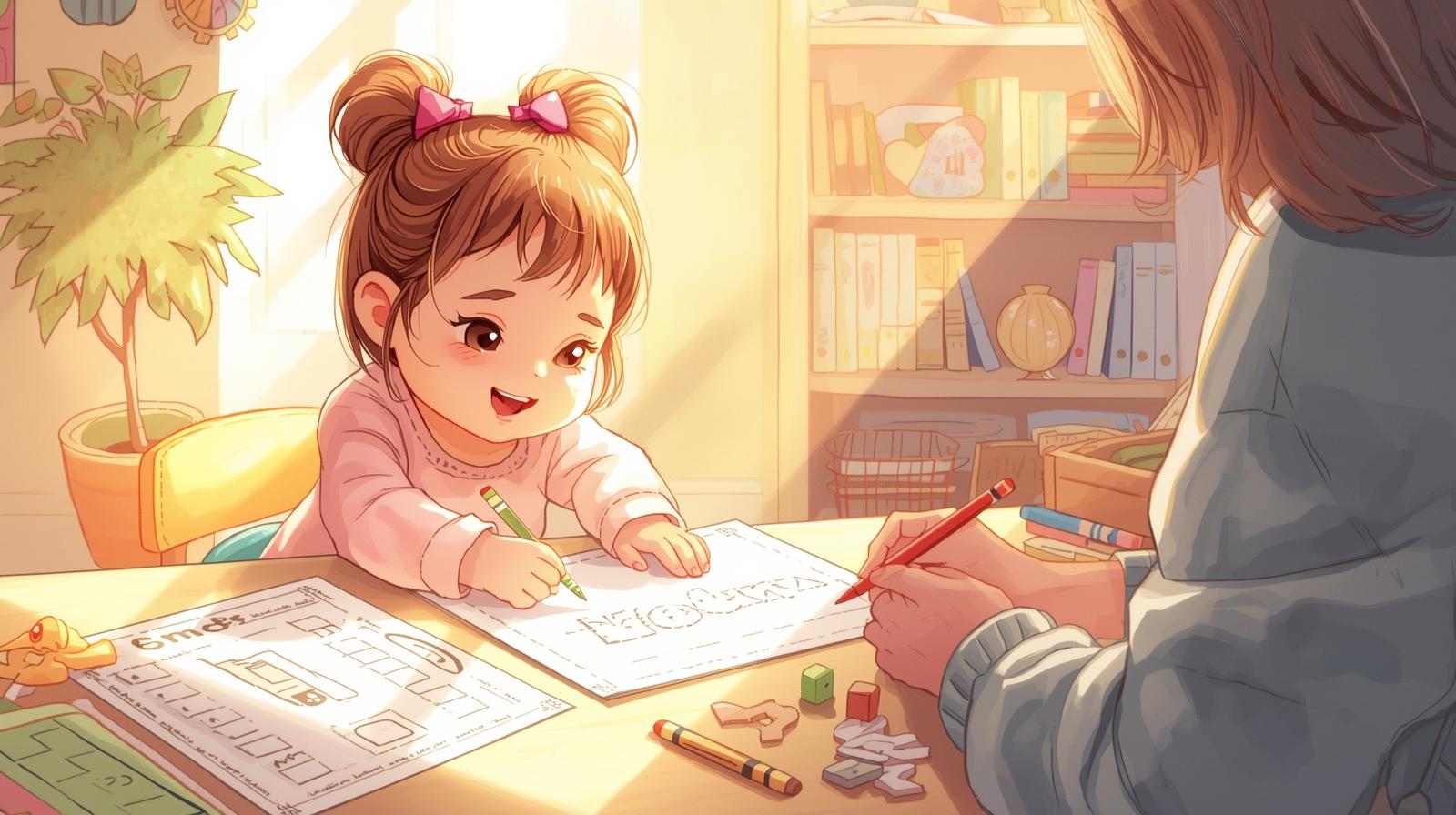
Searching for a weekly worksheet plan for kids under 3 that supports learning without pressure? If you’re a parent who wants gentle structure—while keeping play, movement, and joy at the centre—this guide offers a simple, flexible plan you can adapt to your child’s mood and pace.
“I want a routine… but I don’t want to push my toddler.”
Many parents feel this balance is hard to strike. You want to introduce crayons and paper, but you don’t want worksheets to feel like homework. Maybe some days your child enjoys scribbling; other days, they’re not interested at all.
Here’s the reassuring truth: a weekly worksheet plan for toddlers should be light, flexible, and optional. Consistency matters—but pressure does not.
What a worksheet plan means for kids under 3
For toddlers, a worksheet plan is not a timetable to follow strictly. It’s simply:
- A gentle rhythm
- Short exposure to paper-based activities
- A way to build familiarity and confidence
Worksheets at this age support readiness, not academics.
Benefits of a gentle weekly worksheet routine
When used thoughtfully, a light worksheet plan can support:
- Fine motor development: Scribbling, holding crayons
- Cognitive development: Matching, noticing, pointing
- Emotional development: Confidence from trying small tasks
- Routine comfort: Getting used to calm, seated moments
The key is less, not more.
A simple weekly worksheet plan for kids under 3
Important: This is a suggested flow, not a rulebook. Skip days freely.
Monday: Scribbling & free drawing
Worksheet type:
- Blank space or simple picture background
Focus:
- Hand movement
- Creativity
Time:
- 2–5 minutes
Tuesday: Colour exploration
Worksheet type:
- One large picture (fruit, animal, vehicle)
Focus:
- Colour awareness
- Crayon control
How to use:
- Colour anywhere—inside lines is not required
Wednesday: Matching fun
Worksheet type:
- Match same pictures or shapes
Focus:
- Observation
- Early thinking skills
Tip:
- Let your child point or draw lines—or simply talk about the pictures
Thursday: Shapes or pointing activity
Worksheet type:
- Big shapes (circle, square)
Focus:
- Recognition, not tracing
How to use:
- Point, name, or scribble over shapes
Friday: Stickers or dot markers (optional)
Worksheet type:
- One simple sticker or dot activity
Focus:
- Finger strength
- Concentration
Saturday & Sunday: No worksheets
Why this matters:
- Toddlers need breaks
- Learning continues through play, movement, and family time
Outdoor play, books, music, and pretend play are perfect.
How long should each worksheet session be?
For children under 3:
- 2–5 minutes is enough
- 1 worksheet per day max
- Stop at the first sign of disinterest
Ending early keeps learning positive.
Tips to make a worksheet plan work (without stress)
- Sit with your child
- Let scribbling, tearing, or colouring freely happen
- Talk about pictures instead of finishing tasks
- Skip days when your child isn’t interested
- Balance worksheets with lots of play and movement
What a weekly worksheet plan should not include
Avoid plans that:
- Expect daily worksheets
- Focus on tracing letters or numbers
- Compare progress week to week
- Require long sitting
These are not developmentally appropriate for toddlers.
A gentle reassurance for parents
If your child enjoys some worksheet moments and ignores others, that’s normal. Consistency doesn’t mean doing it every day—it means offering opportunities gently. Your child’s curiosity, comfort, and confidence matter far more than sticking to a plan.
You’re doing enough—and you’re doing it thoughtfully.
Conclusion: a plan that bends, not breaks
A weekly worksheet plan for kids under 3 should feel like a support, not a schedule.
Offer a page.
Share a moment.
Let it go when needed.
When combined with play, conversation, and love, these small, flexible steps help your child grow confident and ready—one calm experience at a time. 🌱
Leave a Reply