
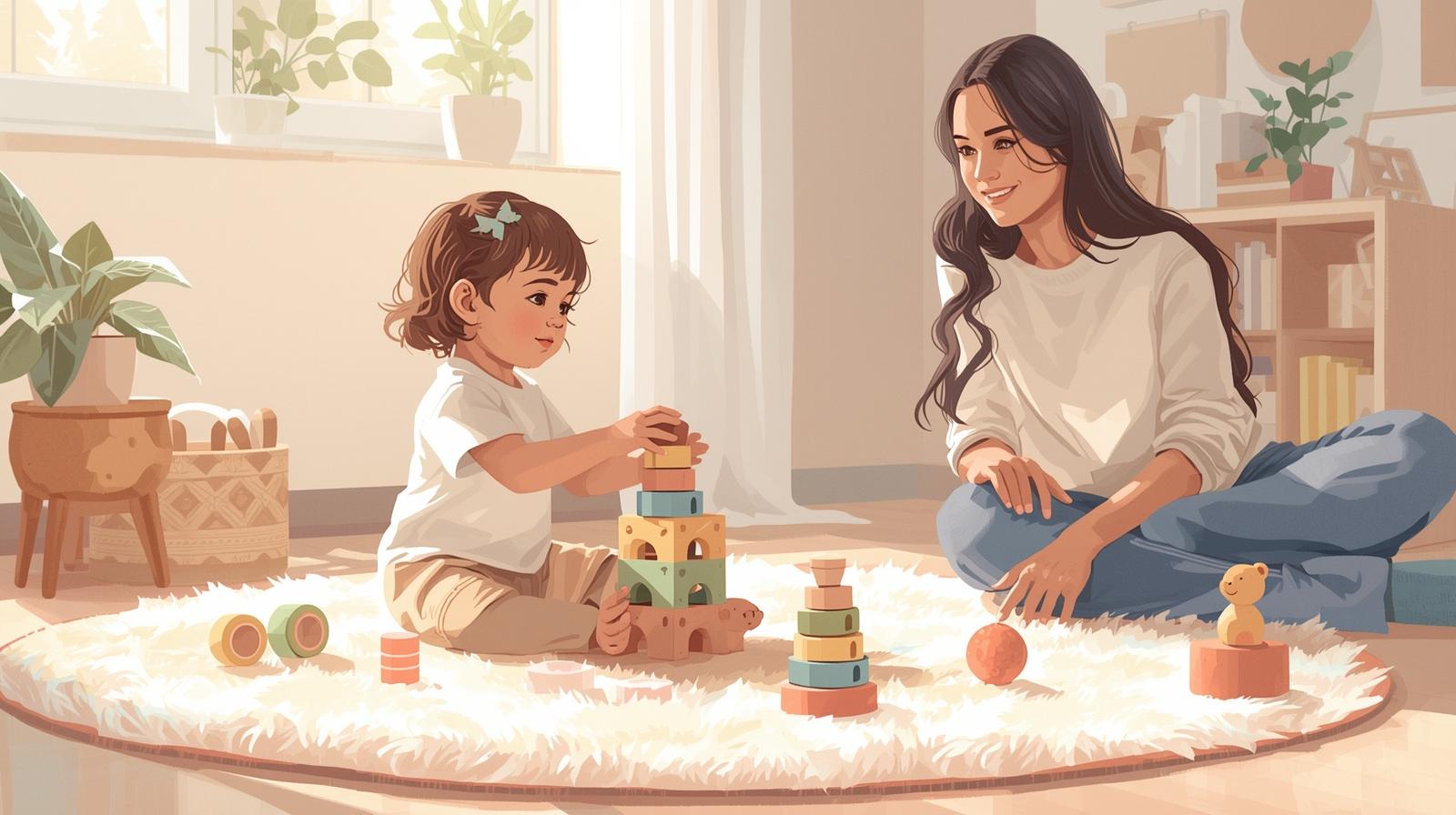
Wondering what kind of learning activities are right for a 1-year-old? This guide on learning activities for 1-year-olds at home helps parents understand how everyday play, interaction, and simple routines can support early childhood development—without pressure, planning overload, or comparison.
“My baby is one… should they already be learning something?”
If you’re a parent to a 1-year-old, you may find yourself asking this quietly. Your child may not talk much yet, may get bored quickly, or may just want to crawl, walk, and explore everything. And that can leave you wondering—Is this normal? Am I doing enough?
Here’s the reassuring truth: at one year old, learning looks like play, movement, and connection—not lessons. And the best learning environment is already there—your home.
What learning really looks like at age one
For 1-year-olds, learning is sensory, physical, and emotional. They learn by:
- Touching and tasting
- Repeating actions
- Watching your face and hearing your voice
- Moving their bodies freely
Every small interaction helps build the brain.
Why home-based learning activities matter
Simple learning activities at home support:
- Cognitive development: Understanding cause and effect
- Physical development: Crawling, walking, grasping
- Language development: Listening, babbling, first words
- Emotional security: Feeling safe, loved, and confident
No special toys. No teaching background. Just presence and patience.
Simple learning activities for 1-year-olds at home
1. Talk through your day
Your voice is your child’s favorite learning tool.
Try this:
- Describe what you’re doing while cooking
- Name objects while dressing your child
- Respond to babbling as if it’s conversation
2. Encourage free movement and exploration
At one year, the body leads the brain.
Ideas:
- Let your child crawl, cruise, or walk safely
- Create open space on the floor
- Allow supervised exploration
3. Play with everyday household items
You don’t need fancy toys.
Safe options:
- Plastic bowls and spoons
- Empty boxes
- Soft scarves or cloths
Why it helps:
Encourages curiosity, coordination, and problem-solving.
4. Sing songs and action rhymes
Music makes learning joyful.
Try:
- Simple rhymes with actions
- Clapping or gentle dancing
- Repeating favorite songs
5. Read picture books together
Even if your child doesn’t sit still—keep reading.
How to read at this age:
- Choose sturdy board books
- Talk about pictures
- Let your child turn pages
Why it helps:
Builds attention, listening skills, and early love for books.
6. Sensory play (simple and safe)
Sensory experiences help brain connections grow.
Ideas:
- Splashing water during bath time
- Touching different fabrics
- Playing with safe textured toys
What learning activities do not need to include
Let go of these worries:
- ❌ Worksheets
- ❌ Flashcards
- ❌ Forcing sitting or focus
- ❌ Comparing milestones
At one year, development is beautifully uneven—and that’s normal.
A gentle reassurance for parents
Some days your child may seem curious. Other days, cranky or clingy. That doesn’t mean learning has stopped. Growth at this age is happening quietly, inside the brain and body—even on “messy” days.
Your love, patience, and presence matter more than any activity.
Conclusion: small moments, powerful learning
When it comes to learning activities for 1-year-olds at home, remember that learning is already happening—in every smile, every step, every shared moment.
Choose one simple activity today.
Repeat it tomorrow.
And trust that these tiny, loving moments are building a strong foundation for your child’s future.
You’re doing more than enough. 🌱
Leave a Reply