
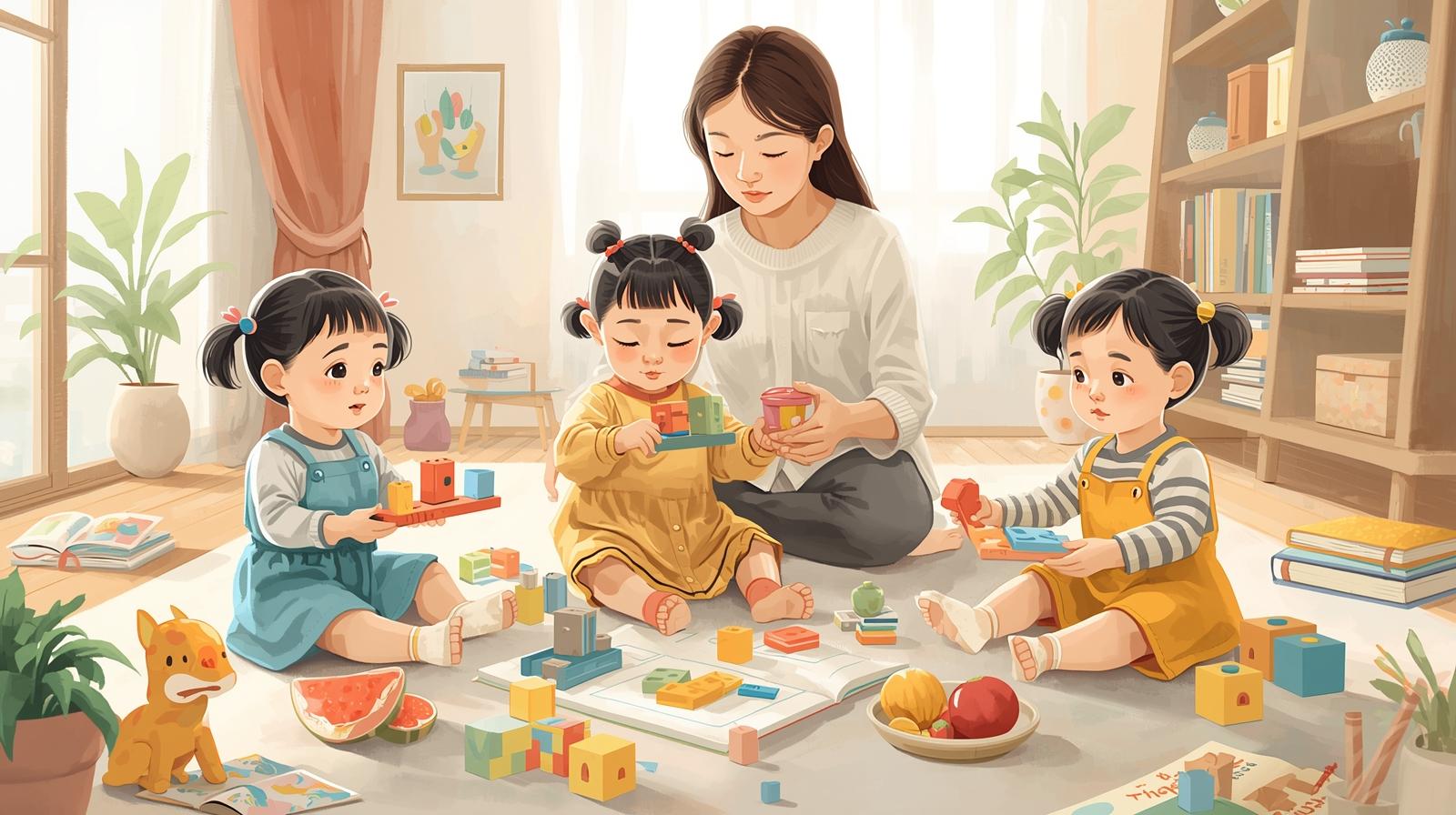
Wondering how to teach colours to toddlers naturally—without flashcards, drills, or pressure? This gentle guide helps parents of children under 3 use everyday moments, play, and conversation to introduce colours in a way that feels joyful, meaningful, and perfectly age-appropriate.
“My toddler notices colours… but doesn’t name them yet.”
If your child points excitedly at bright objects but can’t say the colour names, it’s easy to worry. Many parents ask, “Should I be teaching colours more seriously?”
Here’s a comforting truth: toddlers learn colours best through repeated exposure and real-life experiences—not formal lessons. Recognition always comes before naming, and both take time.
What “learning colours” looks like under age 3
For toddlers, learning colours means:
- Noticing differences
- Showing preferences (“I like the red one!”)
- Associating colours with objects
- Hearing colour words used naturally
Speaking the colour name correctly comes later—and that’s okay.
Why teaching colours naturally supports early development
Colour learning isn’t just visual—it supports many areas of growth:
- Cognitive development: Builds observation and categorisation
- Language development: Expands descriptive vocabulary
- Emotional development: Encourages curiosity and confidence
- Social development: Strengthens interaction through shared play
When learning feels natural, toddlers stay curious and relaxed.
How to teach colours to toddlers naturally
1. Talk about colours during daily routines
Daily life is full of colour—use it!
Try this:
- “Your cup is blue.”
- “We’re wearing yellow today.”
- “Look at the green leaves.”
Keep it casual—no testing or repetition required.
2. Use colourful toys during free play
Let play lead the learning.
How to do it:
- Play with blocks, balls, or stacking cups
- Name colours while your child explores
- Follow their interest (don’t redirect)
3. Colour talk during storytime
Books make colours meaningful.
While reading:
- Point to pictures and name colours
- Repeat favourite colour words
- Let your child point and respond in their own way
This builds colour recognition and language together.
4. Colour matching through everyday objects
No special materials needed.
Simple ideas:
- Match toy colours to bowls
- Put red socks together, blue socks together
- Sort crayons by colour (even if imperfect)
5. Art and scribble play
Art introduces colours in the most natural way.
Try:
- Crayons and large paper
- Finger painting
- Colourful chalk outdoors
Talk about colours without focusing on outcomes.
6. Colour spotting while outdoors
Nature is a colour classroom.
Say things like:
- “That flower is pink.”
- “The sky is blue.”
- “Look at the brown tree.”
Short comments repeated over time work best.
Tips to keep colour learning stress-free
- Focus on one colour at a time
- Repeat words naturally across days
- Accept pointing or gestures as learning
- Avoid correcting or quizzing
- Keep sessions short and playful
What you don’t need to worry about
- ❌ Your toddler mixing up colours
- ❌ Not naming colours clearly
- ❌ Losing interest quickly
All of this is normal developmental behaviour.
A gentle reassurance for parents
Some toddlers name colours early. Others take longer but recognise them well. Both paths are healthy. Learning colours is not a race—it’s a process shaped by exposure, repetition, and connection.
Your calm, loving presence makes learning feel safe.
Conclusion: colours learned through life, not lessons
When it comes to how to teach colours to toddlers naturally, remember that the best teaching happens in everyday moments—while playing, reading, walking, and talking together.
Choose one simple moment today.
Name a colour gently.
Smile and move on.
Those small, colourful moments are quietly building confidence, language, and joyful learning—one day at a time. 🌈🌱
Leave a Reply