
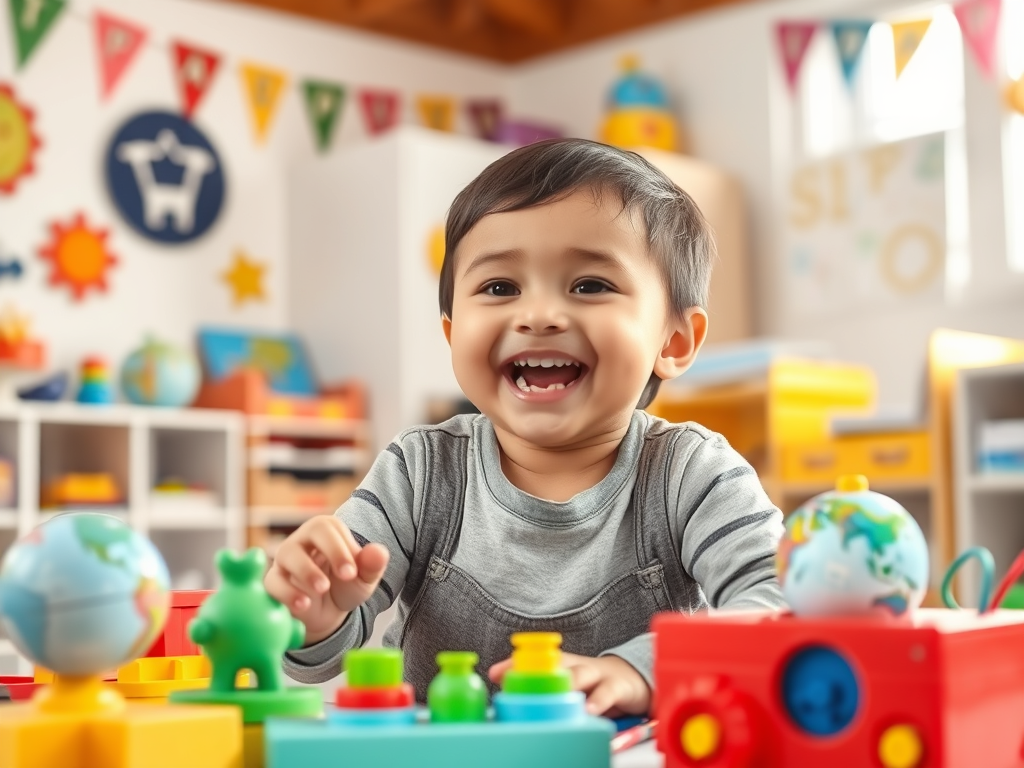
Getting your 2.5-year-old ready for school can feel overwhelming—especially when the clock seems to be ticking. This guide on how to prepare a 2.5-year-old for school in 3 months focuses on realistic, pressure-free steps parents can take at home to build emotional readiness, confidence, and independence—without rushing childhood.
“Only three months left… am I too late?”
If your child is around 2.5 years old and nursery school is approaching, this thought may keep returning. You might wonder if your child should already sit still, follow instructions, or separate easily from you.
Here’s the reassurance you need first: three months is more than enough time—when the focus is on the right things. School readiness at this age is not about academics; it’s about helping your child feel secure, curious, and comfortable in a new environment.
What “school-ready” really means at 2.5 years
For toddlers under 3, school readiness is about emotional and social foundations, not learning outcomes.
A school-ready 2.5-year-old:
- Feels safe with new caregivers (with time)
- Can stay without parents for short periods
- Communicates needs in simple ways
- Follows basic routines
- Explores independently
A gentle 3-month approach to prepare your child for school
Month 1: Build routines and emotional security
This month is about predictability and trust.
Focus areas:
- Fixed sleep and meal timings
- A calm morning and bedtime routine
- Short, happy separations with familiar adults
Why it helps:
Routines reduce anxiety and help children feel safe—both at home and at school.
Month 2: Encourage independence and communication
Now that your child feels secure, gently support independence.
Try this at home:
- Let your child self-feed (even if messy)
- Encourage removing shoes or putting toys away
- Name emotions and actions throughout the day
Why it helps:
Independence builds confidence. Communication reduces frustration in school settings.
Month 3: Practice separation and social comfort
This is the adjustment phase—slow, steady, and kind.
Helpful steps:
- Leave your child with a trusted caregiver for slightly longer periods
- Arrange short playdates or group play
- Talk positively about school and teachers
Avoid creating pressure with statements like “You must not cry.”
What your child does not need to learn in these 3 months
Let go of unnecessary expectations:
- ❌ Reading or writing
- ❌ Memorizing alphabets or numbers
- ❌ Sitting still for long durations
Schools don’t expect these on day one—and neither should you.
Benefits of preparing your child gently
By focusing on readiness instead of results, you support:
- Emotional development: Less anxiety, more confidence
- Social skills: Comfort around peers and adults
- Cognitive growth: Better listening and understanding
- Physical skills: Improved coordination and self-help abilities
A kind reminder for parents
Your child doesn’t need to be the “best prepared.”
They just need to feel safe, supported, and loved.
And your calm mindset plays a bigger role than any activity or checklist.
Conclusion: three months, many small wins
When you think about how to prepare a 2.5-year-old for school in 3 months, remember this: it’s not about transforming your child—it’s about gently guiding them.
One routine.
One short separation.
One encouraging smile at a time.
Trust your child. Trust yourself. You’re preparing them not just for school—but for confident first steps into the world. 🌱
Leave a Reply