
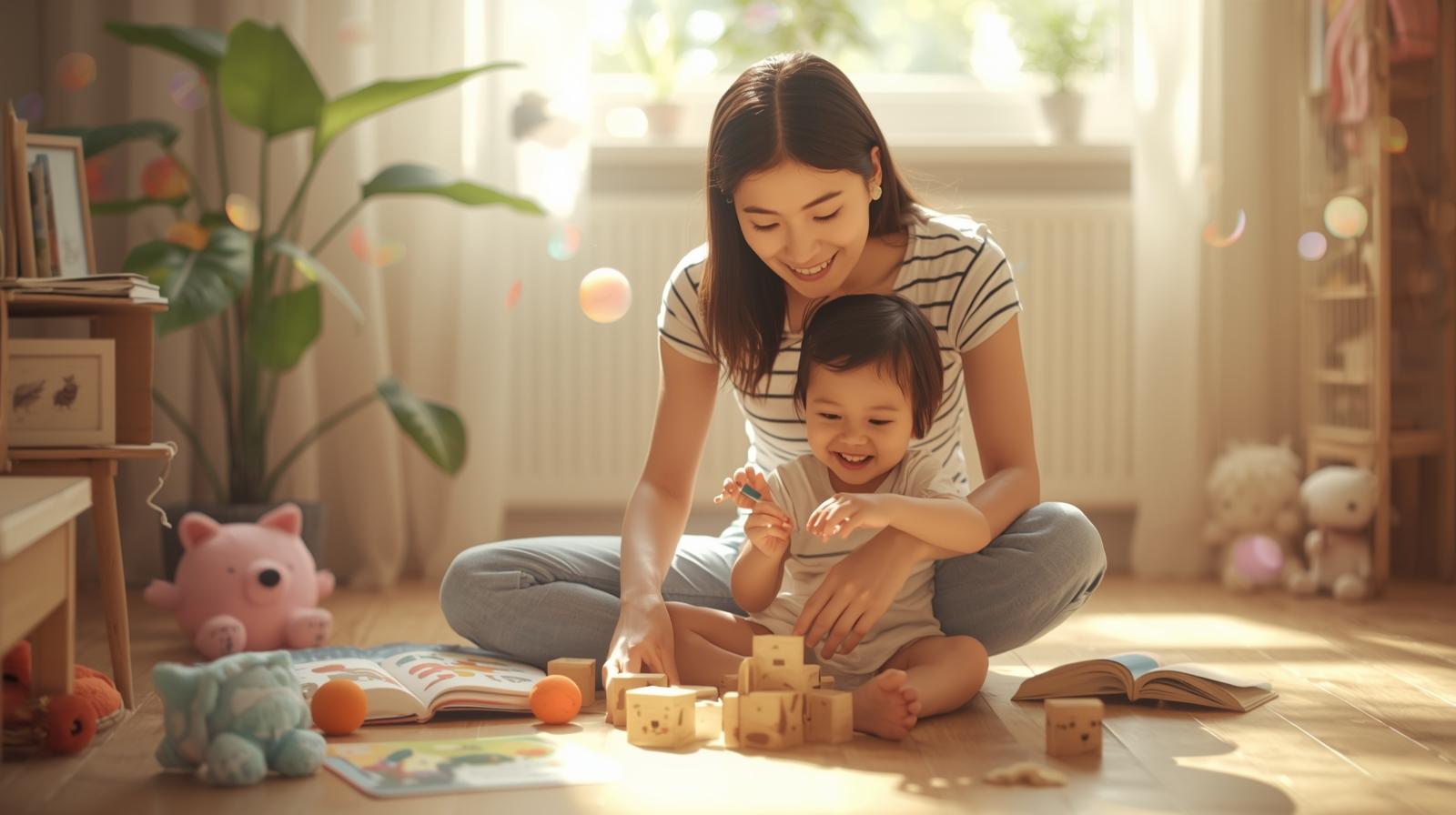
Are you wondering how much a 2-year-old should learn and whether your child is “on track”? You’re not alone. This guide offers realistic expectations for parents, gentle reassurance, and simple ways to support learning for children under 3—without pressure or comparison.
A gentle start: you’re not behind 💛
If you’ve ever caught yourself comparing your child to another toddler who seems to talk more, count better, or follow instructions faster—pause. Many loving, attentive parents ask the same question: “How much should a 2-year-old learn?”
The truth? At this age, learning isn’t about worksheets, alphabets, or ticking milestones. It’s about connection, curiosity, and confidence. And you’re already doing more right than you think.
What learning really looks like at age two
At two, children learn best through everyday moments—not formal lessons. Think less “teaching” and more experiencing life together.
Here’s what realistic learning often includes:
- Language: Saying a few words or short phrases, pointing to communicate, understanding simple instructions (“bring the ball”).
- Emotional growth: Showing preferences, having big feelings, seeking comfort from caregivers.
- Physical skills: Walking confidently, climbing, stacking blocks, scribbling with crayons.
- Social awareness: Imitating adults, playing beside other children (parallel play), showing affection.
If your child does some of these but not all—that’s completely normal.
Why these small skills matter (more than you realize)
Early learning isn’t about racing ahead—it’s about building a strong foundation.
- Emotional development: Feeling safe and understood helps children explore and learn.
- Cognitive growth: Simple play builds problem-solving and memory.
- Physical confidence: Movement strengthens the body and brain together.
- Social skills: Watching you, copying you, connecting with you—this is how toddlers learn relationships.
Every cuddle, conversation, and shared laugh is shaping your child’s future learning ability.
Simple things you can do today (no prep required)
You don’t need special toys or programs. Try these gentle, doable actions at home:
Talk through your day
Describe what you’re doing: “We’re washing hands. The water feels warm.” This builds language naturally.
Read—even if they wander off
Short books, repeated favorites, pointing at pictures—it all counts.
Let them help
Handing you socks, stirring batter, putting toys away—these moments teach independence and confidence.
Follow their lead in play
If they love cars, talk about cars. If they stack cups, stack with them.
A reminder every parent needs to hear 🌱
There is no perfect pace. Some children talk early. Some move early. Some observe quietly before they bloom.
Learning at two years old is messy, playful, emotional, and beautifully imperfect—just like childhood should be.
You are not failing if your child isn’t counting or reciting colors. You are succeeding when your child feels safe, loved, and curious.
Take a breath—and take it one step at a time
So, how much should a 2-year-old learn? Enough to feel secure exploring the world, expressing themselves in their own way, and trusting the adults who guide them.
Focus on small, meaningful moments. Sing together. Talk together. Play together. These are the moments that matter most.
You’re doing important work—one loving day at a time. 💕
Leave a Reply