
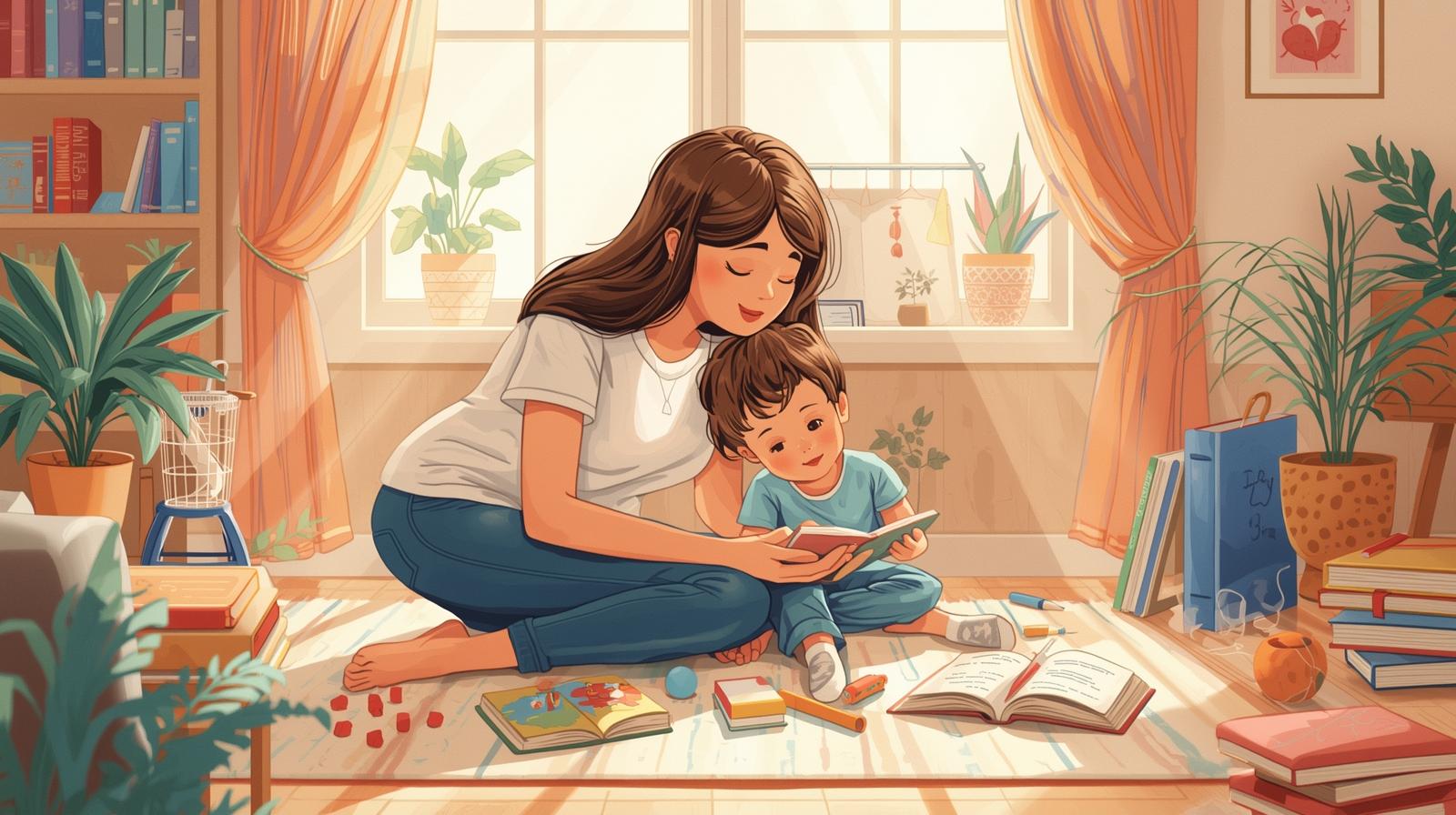
Many parents quietly wonder, “How much academic pressure is too much for toddlers?” With growing expectations around early learning, worksheets, and school readiness, it’s natural to feel unsure—especially when your child is under 3. This blog gently helps you understand where healthy learning ends and pressure begins, so you can support your toddler with confidence, calm, and care.
“I just want my child to be ready… not stressed.”
You may have heard comments like “Start early,” “Kids learn fast,” or “Others are already doing more.” These messages often come from a good place—but they can create anxiety.
Here’s a reassuring truth: toddlers do not need academic pressure to learn well. In fact, too much pressure can quietly interfere with healthy development.
What academics really mean for toddlers under 3
At this age, “academics” should not look like:
- Memorising letters or numbers
- Sitting for long periods
- Completing worksheets independently
- Being corrected repeatedly
For toddlers, learning happens through:
- Play
- Movement
- Interaction
- Exploration
- Emotional connection
How much academic pressure is too much for toddlers?
Academic pressure becomes too much when learning starts to feel stressful rather than joyful.
Signs pressure may be too high
Watch for these gentle signals:
- Loss of interest in activities they once enjoyed
- Frequent frustration or crying during ‘learning time’
- Avoidance of books, crayons, or worksheets
- Increased clinginess or irritability
- Pressure to perform instead of explore
These are not behaviour problems—they are communication.
Why too much pressure can backfire
Early academic pressure can impact development in quiet ways:
Emotional impact
- Reduced confidence
- Fear of making mistakes
- Increased anxiety
Cognitive impact
- Less curiosity
- Learning for approval, not interest
Physical impact
- Fatigue from long sitting
- Reduced free movement and play
Social impact
- Less time for interaction and pretend play
Toddlers thrive on safety and curiosity—not performance.
What healthy learning should look like at this age
Play-based and child-led
Learning should feel like play:
- Stacking blocks
- Pretend cooking
- Singing and dancing
Short and flexible
- 2–5 minutes of focused activity is enough
- Some days, none at all
Stopping early is not failure—it’s respect for your child’s limits.
Process over outcome
It’s okay if:
- Scribbles go outside lines
- Activities aren’t finished
- Your child walks away
Learning happens in the attempt.
How parents can reduce academic pressure at home
1) Shift the goal
From “finish the task” to “enjoy the moment”.
2) Balance with lots of free play
For every calm sit-down activity, include:
- Movement
- Outdoor time
- Pretend play
3) Follow your child’s interest
If your toddler loves:
- Vehicles → talk about them
- Music → sing more
- Water → explore pouring and splashing
Interest fuels learning naturally.
4) Avoid comparisons
Children develop at different speeds. Comparing adds pressure without benefit.
5) Model calm, not urgency
Your child senses your emotions. Calm parents raise calmer learners.
Benefits of a pressure-free approach
Reducing academic pressure supports:
- Emotional development: Confidence and security
- Cognitive development: Curiosity and creativity
- Physical development: Healthy movement
- Social development: Better interaction and communication
These are the true foundations for later academic success.
A gentle reassurance for parents
If your toddler is playing, talking, exploring, and feeling safe—you are doing enough. Early learning is not a race. Childhood is not something to rush through.
You are not falling behind.
You are protecting something precious.
Conclusion: less pressure, stronger foundations
So, how much academic pressure is too much for toddlers?
Anything that replaces joy with stress, curiosity with fear, or play with performance.
Choose connection over correction.
Choose curiosity over comparison.
Choose calm over pressure.
These small, thoughtful choices today will help your child grow into a confident, capable learner—one who loves learning, not fears it. 🌱
Leave a Reply