
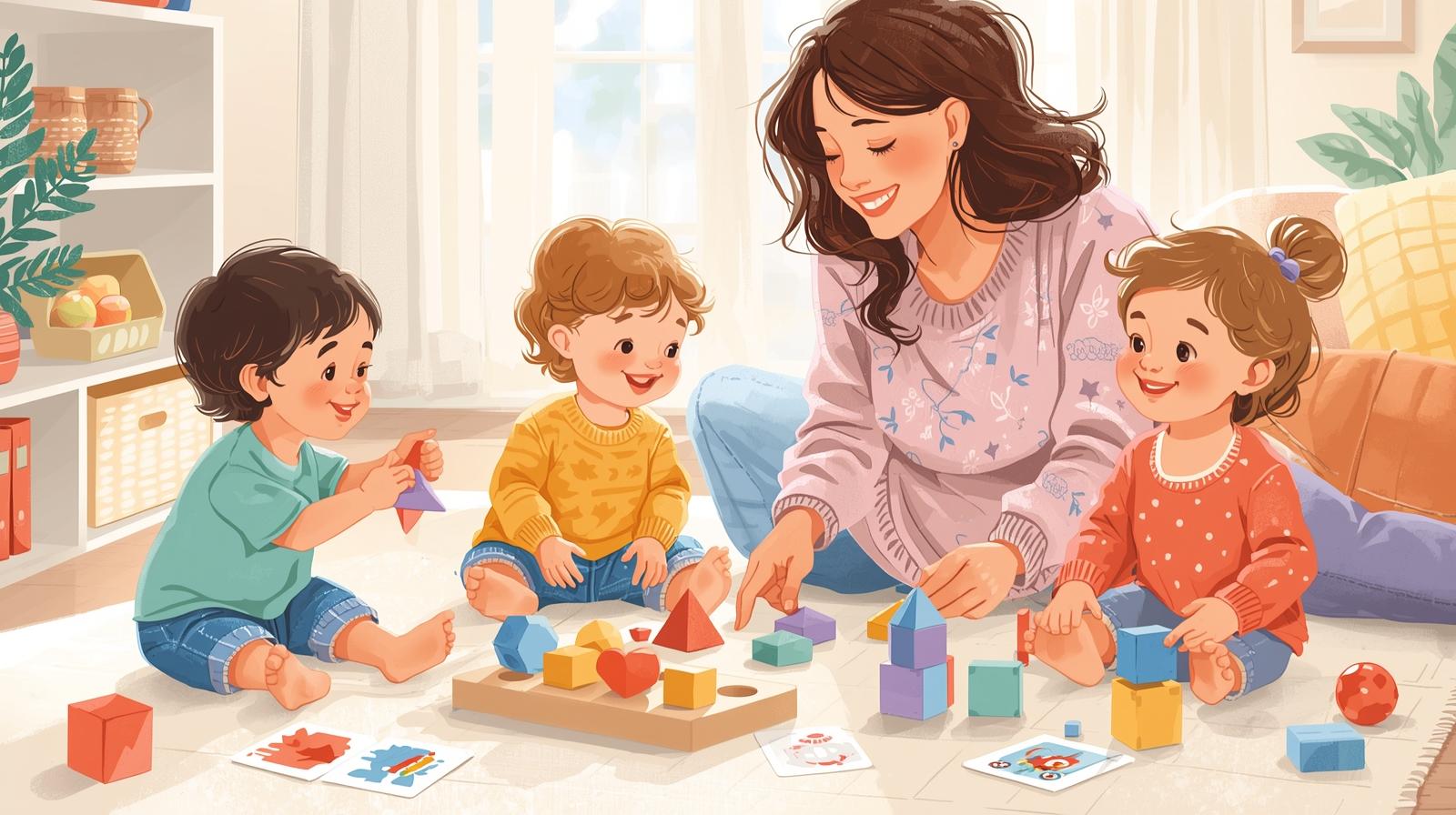
Looking for fun shape and colour activities for kids under 3 that feel playful—not pushy? This guide helps parents turn everyday moments into joyful learning experiences that gently build early thinking skills, language, and confidence, all while keeping childhood light, happy, and pressure-free.
“My child enjoys colours… but should they actually be learning them?”
If your toddler gets excited by bright colours or loves fitting things into holes, you might wonder if that curiosity counts as learning—or if you should be doing more.
Here’s the reassuring truth: for children under 3, learning shapes and colours happens best through play, not teaching. When toddlers explore freely, their brains make connections naturally—and happily.
Why shapes and colours matter in early childhood
Shape and colour activities aren’t about memorisation. They help support:
- Cognitive development: Sorting, matching, and problem-solving
- Language development: Learning descriptive words
- Fine motor skills: Grasping, placing, and pointing
- Emotional confidence: Feeling successful through play
When learning feels fun, children stay curious and engaged.
How toddlers learn shapes and colours (without effort)
Toddlers don’t learn by sitting still or repeating names. They learn by:
- Touching and holding
- Moving objects around
- Hearing words repeated naturally
- Watching your reactions
Your role isn’t to test—it’s to talk, play, and enjoy the moment.
Fun shape & colour activities for kids under 3
1. Colour hunt around the house
How to play:
Pick one colour and look for it together—“Let’s find red!”
Why it helps:
Builds colour recognition and attention skills.
2. Shape sorter play (no pressure)
Use a shape sorter or homemade cut-out shapes.
Tip:
Don’t correct mistakes—let your child explore freely.
Why it helps:
Encourages problem-solving and hand–eye coordination.
3. Sorting toys by colour
How to play:
Place toys into bowls by colour—red toys here, blue toys there.
Why it helps:
Supports early categorisation and thinking skills.
4. Scribbling with colourful crayons
Give thick crayons and large paper.
What to say:
“That’s yellow!” or “You chose blue!”
Why it helps:
Builds colour awareness and fine motor strength.
5. Shape spotting during storytime
While reading picture books:
- Point to circles, squares, and triangles
- Name shapes casually
Why it helps:
Connects visual learning with language.
6. Everyday shape talk
Use daily life:
- Roti is round
- Windows are square
- Plates are circles
Why it helps:
Reinforces learning through real-life connections.
7. Colourful sensory play
Try safe, supervised activities like:
- Sorting coloured scarves
- Playing with colourful balls
- Water play with floating toys
Why it helps:
Engages multiple senses and keeps learning joyful.
Tips to keep shape & colour learning stress-free
- Repeat names naturally—no drilling
- Follow your child’s interest
- Keep activities short (2–5 minutes)
- Celebrate curiosity, not accuracy
What you don’t need to worry about
- ❌ Your child mixing up colours
- ❌ Not naming shapes correctly
- ❌ Losing interest quickly
All of this is normal and healthy.
A gentle reassurance for parents
Some children talk about colours early. Others show interest later. Both are perfectly okay. Learning isn’t a race—it’s a relationship between your child and the world around them.
Your calm presence makes learning feel safe.
Conclusion: playful colours, confident learners
When it comes to fun shape & colour activities for kids under 3, remember that learning doesn’t need structure—it needs warmth, repetition, and joy.
Choose one simple game today.
Play it together.
And trust that these colourful, happy moments are building strong foundations for your child’s early years. 🌈🌱
Leave a Reply