
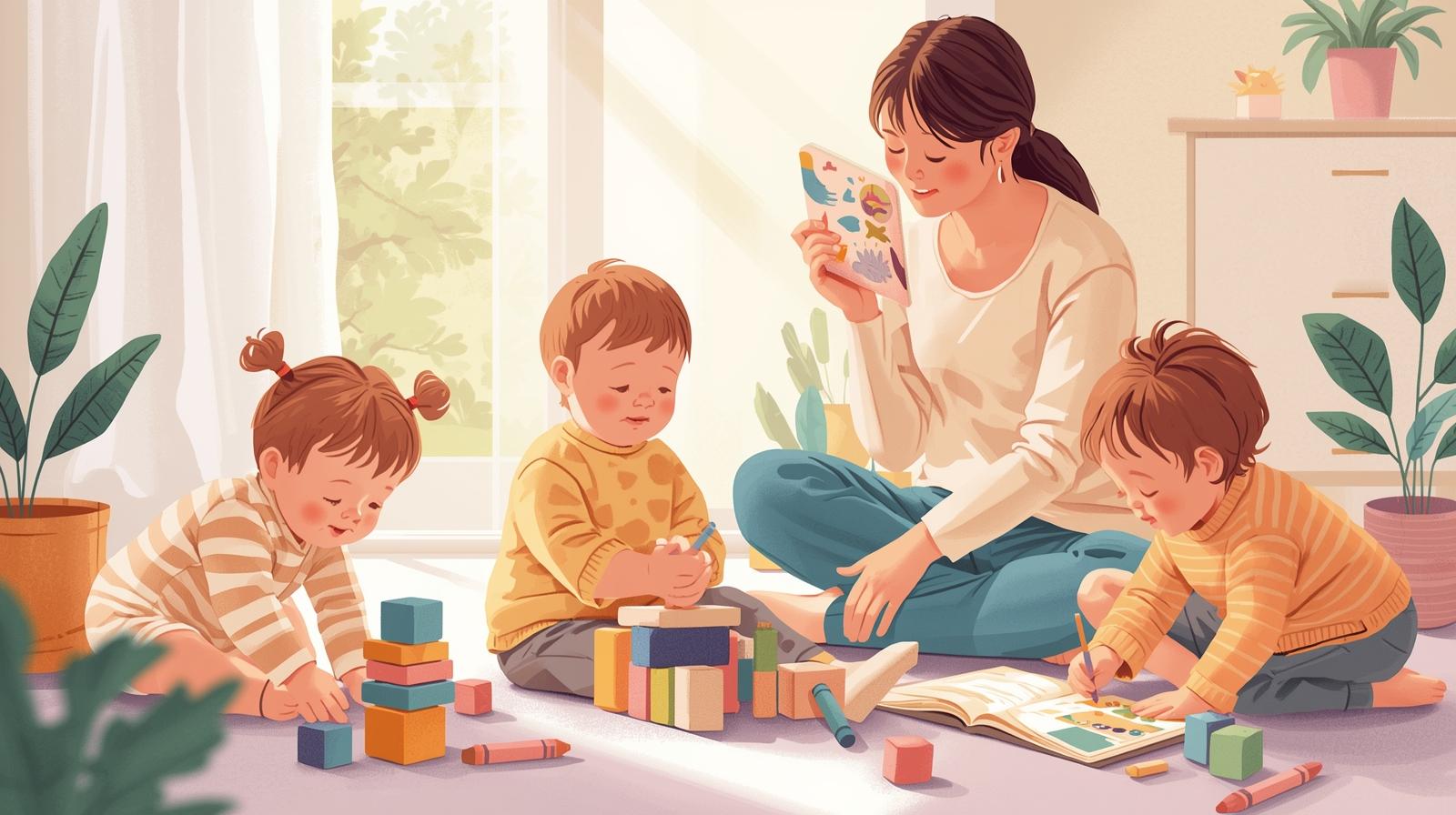
Looking for meaningful educational activities for toddlers (0–3 years) without pressure or confusion? This guide helps parents of young children understand how everyday play, interaction, and routines naturally support early childhood development—building strong foundations through love, not lessons.
“My child is so young… can learning really start now?”
If you’re a parent of a baby or toddler, you may wonder what “education” even means at this age. Your child might be crawling, babbling, throwing toys, or saying “no” to everything—and it’s easy to think learning comes later.
Here’s a comforting truth: learning begins from birth. For children between 0 and 3 years, education doesn’t look like books or worksheets—it looks like play, movement, repetition, and connection with you.
What “educational activities” really mean for toddlers
Educational activities for toddlers are experiences that help the brain grow, not formal teaching sessions. They support how children think, move, feel, and communicate.
At this age, learning happens through:
- Sensory exploration
- Repetition and routine
- Social interaction
- Free movement and play
Why educational activities matter in the first 3 years
The first three years are a period of rapid brain development. Simple activities help support:
- Cognitive development: Understanding cause and effect
- Language development: Listening, babbling, first words
- Physical development: Balance, coordination, fine motor skills
- Emotional development: Security, confidence, and trust
- Social development: Connection with caregivers and peers
Small moments repeated daily create powerful impact.
Educational activities for toddlers by age group
0–1 Year: Sensory and bonding activities
At this stage, babies learn through their senses and your presence.
Simple activities:
- Talking and singing throughout the day
- Tummy time and free floor movement
- Gentle massage and cuddling
- Showing high-contrast books or pictures
Why it helps:
Builds sensory awareness, emotional security, and early language skills.
1–2 Years: Exploration and movement
Toddlers become curious explorers.
Educational activities:
- Stacking cups or blocks
- Playing with household items (bowls, spoons)
- Walking, climbing, and pushing toys
- Naming objects and actions
Why it helps:
Supports problem-solving, coordination, and vocabulary growth.
2–3 Years: Language, imagination, and independence
Learning becomes more social and expressive.
Educational activities:
- Pretend play (feeding a doll, talking on a toy phone)
- Sorting by color or size
- Reading picture books together
- Simple art like scribbling or sticker play
Why it helps:
Develops language, imagination, attention, and self-confidence.
Everyday routines as educational activities
You don’t need extra time—daily life is full of learning.
Turn routines into learning by:
- Talking during meals and bath time
- Letting your child help with simple chores
- Naming emotions and actions
- Following consistent sleep and meal routines
Routine builds security—and security supports learning.
What educational activities do not need to include
Gently let go of these common pressures:
- ❌ Worksheets or flashcards
- ❌ Long sitting sessions
- ❌ Forcing focus or performance
- ❌ Comparing milestones
Toddlers learn best when they feel safe, not rushed.
A gentle reassurance for parents
Some days your child will be curious and playful. Other days, tired, clingy, or fussy. Both are part of healthy development. Learning never stops—even on quiet or messy days.
Your love, patience, and presence are the most powerful educational tools your child will ever have.
Conclusion: small moments, lifelong foundations
When thinking about educational activities for toddlers (0–3 years), remember that learning isn’t something you add—it’s something you notice and support.
One conversation.
One playful moment.
One loving routine.
These small, meaningful actions are shaping your child’s early years—and building a strong foundation for everything that comes next. You’re doing a wonderful job. 🌱
Leave a Reply