
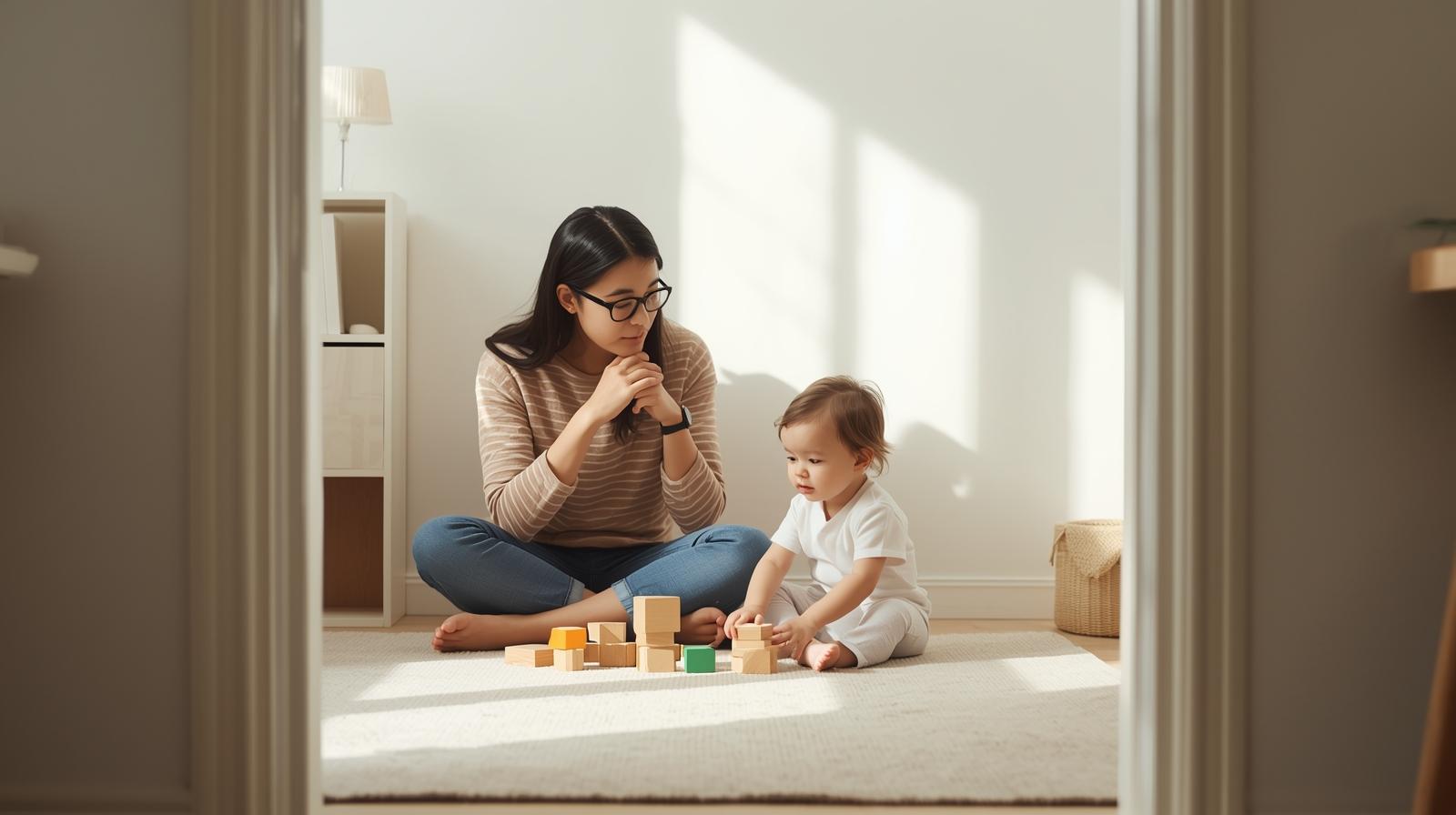
A gentle, confidence-boosting guide for parents of children under 3
Teaching toddlers at home can feel overwhelming—especially for first-time parents. If you’ve ever worried “Am I doing enough?” or “Am I teaching the right way?”, you’re not alone. This guide explores common mistakes parents make while teaching toddlers at home and shows how small, loving changes can support early childhood development without pressure or guilt.
A Warm Note to Parents Before We Begin 💛
If you’re reading this, it already means you care deeply about your child’s growth. Many parents believe they must “teach” toddlers the way schools teach older kids—but children under 3 learn very differently. The good news? Most mistakes come from love, not neglect—and they’re easy to fix once you notice them.
Let’s walk through these gently, without judgment.
Mistake #1: Expecting Toddlers to Learn Like Older Children
Toddlers aren’t mini adults. Yet many parents unknowingly expect them to sit still, repeat words perfectly, or understand instructions right away.
Real-life example:
You show flashcards and expect your 2-year-old to name every object correctly—then feel frustrated when they wander off.
Why this matters:
Under 3, children learn best through movement, play, and repetition, not formal lessons. Unrealistic expectations can lead to stress—for both parent and child.
What to do instead:
- Turn learning into play (songs, peek-a-boo, stacking cups)
- Celebrate attempts, not perfection
- Follow your toddler’s curiosity
Mistake #2: Focusing Too Much on Academics Too Early
Many parents worry their child must learn numbers, letters, or colors as early as possible.
The truth:
For toddlers, emotional security, language exposure, and physical play matter far more than academics.
How this affects development:
- Emotional: Builds confidence and trust
- Cognitive: Strengthens memory through everyday experiences
- Physical: Enhances coordination and motor skills
- Social: Encourages interaction and communication
Simple actions you can try today:
- Talk through daily routines (“Now we’re washing hands!”)
- Sing nursery rhymes together
- Let your child explore safely—even if it gets messy
Mistake #3: Overcorrecting or Interrupting Too Often
When toddlers try something new, parents often jump in quickly—correcting pronunciation, fixing puzzles, or stopping exploration.
Why it can backfire:
Constant interruption can reduce confidence and curiosity.
A gentler approach:
- Pause before correcting
- Encourage effort with phrases like “You’re trying so hard!”
- Let mistakes be part of learning
Remember: progress looks messy at this age—and that’s healthy.
Mistake #4: Comparing Your Child to Others
Every toddler develops at their own pace. Comparing milestones—especially with other children—can quietly create anxiety.
Gentle reminder:
Early childhood development is not a race.
Try this mindset shift:
- Track your child’s progress, not someone else’s
- Focus on strengths (curiosity, kindness, energy)
- Trust that consistency matters more than speed
Mistake #5: Forgetting That Everyday Moments Are Teaching Moments
Some parents feel they need special toys or planned lessons.
But learning is already happening—during meals, bath time, walks, and cuddles.
Easy ways to teach without pressure:
- Name objects around the house
- Let your toddler help with simple tasks
- Read picture books together—even for a few minutes
These small moments build language, connection, and confidence.
A Gentle Reassurance for Parents 🌱
You don’t need to be perfect to be a great teacher. Your presence, patience, and love already give your child the strongest foundation for lifelong learning.
Mistakes are part of parenting—and noticing them is a sign of growth, not failure.
Final Thoughts: Small Steps Make a Big Difference
Teaching toddlers at home isn’t about doing more—it’s about doing what matters. By avoiding these common mistakes parents make while teaching toddlers at home, you create a safe, joyful space where learning happens naturally.
Start small. Stay consistent. Trust yourself.
Your child doesn’t need a perfect parent—just you, showing up with love. 💛
Leave a Reply