
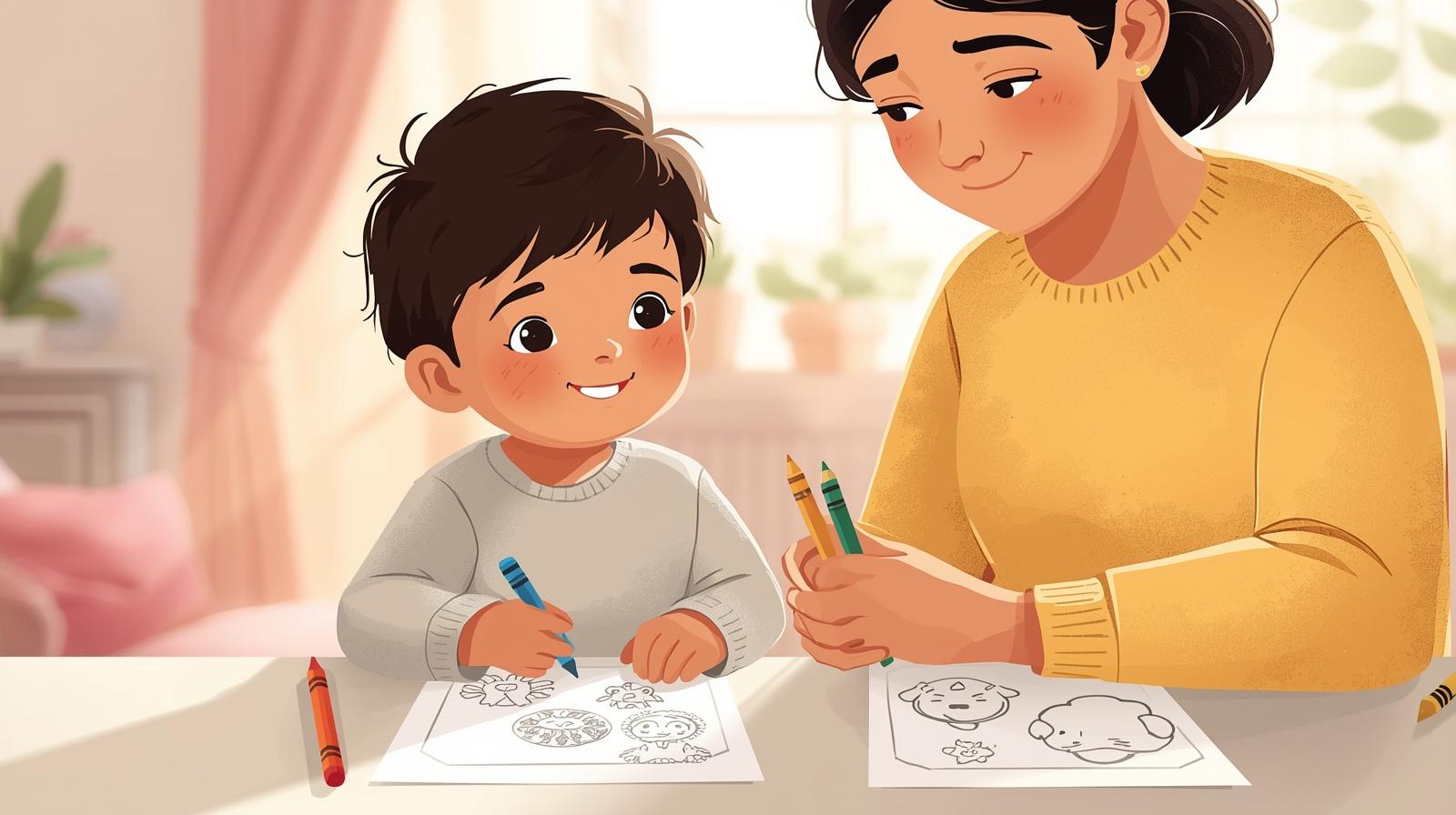
Looking for the best worksheets for pre-nursery kids that are printable, simple, and pressure-free? If your child is under 3 and you want gentle learning support—without turning playtime into homework—this guide will help you choose worksheets that truly fit early childhood needs.
“Should my toddler really be doing worksheets?”
It’s a question many parents ask. You may see colourful printable worksheets everywhere and wonder if your child is missing out. The reassuring answer is this: worksheets are optional for pre-nursery kids. When used lightly and playfully, they can support development—but they should never replace play, movement, and interaction.
Think of worksheets as a small add-on, not the main meal.
What makes worksheets suitable for pre-nursery kids?
For children under 3, the best worksheets are:
- Very simple (one concept per page)
- Short (finished in minutes—or not finished at all)
- Open-ended (scribbling is welcome)
- Visually clear (large pictures, minimal clutter)
At this age, worksheets are about exposure, not outcomes.
Benefits of simple worksheets (when used right)
Used occasionally and without pressure, worksheets can support:
- Fine motor development: Holding crayons, making marks
- Cognitive skills: Noticing patterns, matching, observing
- Emotional confidence: Trying something new with support
- Routine familiarity: Getting used to paper and crayons
Remember: benefits come from how worksheets are used—not how many.
Best worksheets for pre-nursery kids (printable & simple)
1. Scribbling & free drawing sheets
What they look like:
Big blank spaces, simple borders, or fun backgrounds.
Why they work:
Encourage hand movement and creativity without rules.
2. Colouring worksheets (large pictures only)
Best choice:
Single, bold images like fruits, animals, or vehicles.
Avoid:
Tiny details or ‘colour inside the lines’ instructions.
3. Matching worksheets (one-to-one)
Examples:
- Match the same object
- Match parent and baby animal
- Match identical shapes
Why they help:
Build observation and early thinking skills.
4. Big shape tracing (optional)
How to use:
Let your child trace or scribble over shapes.
Important:
Do not correct grip or expect accuracy.
5. Colour recognition sheets (pointing is enough)
Try this:
Ask your child to point to a colour instead of colouring it.
Why it helps:
Supports recognition without pressure.
6. Sticker worksheets (if available)
Simple tasks:
Stick the circle on the circle, or match objects with stickers.
Why toddlers love them:
Great for finger strength and focus.
How often should pre-nursery kids use worksheets?
For children under 3:
- 1–2 times a week is enough
- 5 minutes per session is plenty
- Stop immediately when interest fades
Worksheets should never feel like a task.
Tips to use worksheets the right way
- Sit with your child
- Let them scribble, tear, or colour freely
- Talk about pictures instead of finishing pages
- Praise effort, not neatness
- Mix worksheets with lots of play and movement
What worksheets should not be used
Avoid worksheets that:
- Expect writing letters or numbers
- Have multiple tasks on one page
- Require sitting for long periods
- Are compared with other children’s work
These are not developmentally appropriate for pre-nursery kids.
A gentle reassurance for parents
If your child shows curiosity, enjoys play, and explores freely, they are learning well. Worksheets are not a measure of intelligence or readiness. Your time, patience, and emotional connection matter far more than any printable sheet.
You’re doing better than you think.
Conclusion: simple sheets, joyful learning
The best worksheets for pre-nursery kids are those that are simple, printable, and used gently—without pressure or expectations.
Choose just one.
Sit together.
Enjoy the moment.
When balanced with play, conversation, and movement, these small activities can support development beautifully—one happy scribble at a time. 🌱
Leave a Reply