
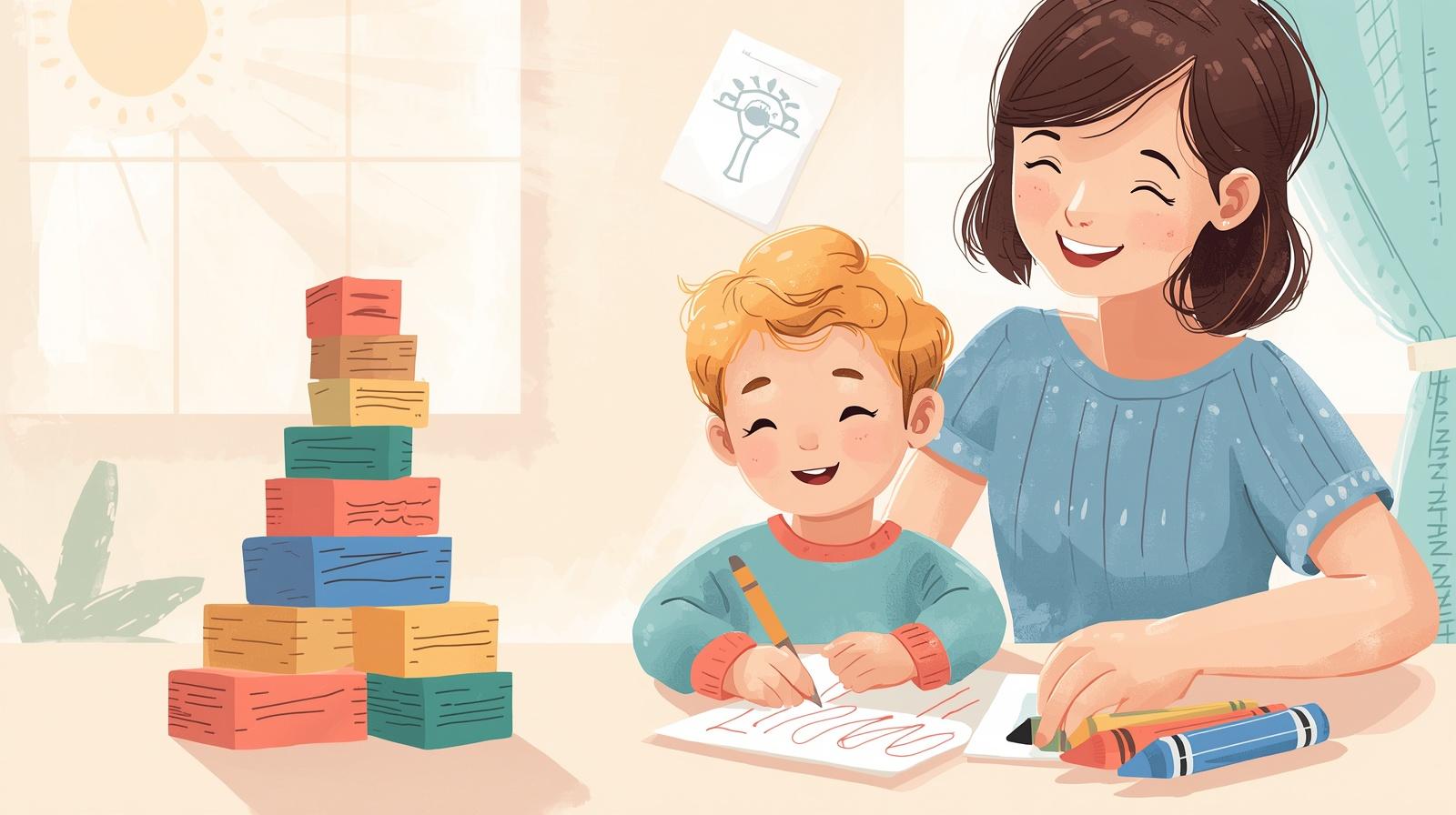
Are you wondering “Are worksheets good for toddlers?” With so many pre-nursery worksheets and activity sheets available, it’s natural for parents of children under 3 to feel confused or pressured. This guide gently explains what really helps toddlers learn, when worksheets can be useful, and how to support early development without stress or guilt.
“Everyone says worksheets help… but my toddler won’t sit still”
If you’ve tried giving your toddler a worksheet and watched them scribble for 10 seconds—or walk away completely—you’re not alone. Many parents worry: “Am I doing enough?” or “Will my child fall behind without worksheets?”
Here’s a reassuring truth: toddlers are not meant to learn like school-going children. Their brains grow best through movement, play, and interaction—not sitting still with paper and pencil.
What worksheets really mean for toddlers under 3
For toddlers, worksheets usually involve:
- Scribbling or colouring
- Matching pictures
- Tracing lines
At this age, worksheets are not essential and should never be the main learning tool. Toddlers are still developing:
- Hand strength
- Attention span
- Body control
- Emotional regulation
Expecting structured paper work too early can lead to frustration—for both child and parent.
Are worksheets good for toddlers? The honest answer
Worksheets are not harmful—but they are not necessary.
They can be helpful only when used the right way:
- As short, optional activities
- As a form of play, not performance
- Without expectations of accuracy
Learning does not depend on worksheets—development does not speed up because of paper work.
What toddlers really gain (and don’t gain) from worksheets
Possible benefits (when used gently)
- Exposure to crayons and paper
- Early hand movement practice
- Familiarity with sitting briefly
Limitations to be aware of
- Limited attention span
- Weak finger muscles
- Learning feels forced if overused
- Can reduce interest in learning if pressured
What supports early childhood development better than worksheets
1. Play-based learning
Stacking blocks, sorting toys, and pretend play build stronger thinking skills than worksheets.
2. Fine motor play
Activities like:
- Playdough
- Tearing paper
- Pouring and spooning
These prepare hands naturally for future writing.
3. Talking and reading together
Conversation and picture books build:
- Language
- Attention
- Emotional bonding
Far more effectively than tracing lines.
4. Movement and exploration
Climbing, running, and free movement strengthen the brain-body connection—something worksheets can’t do.
If you choose to use worksheets, use them this way
If you still want to introduce worksheets occasionally, keep these guidelines in mind:
- Use 1 sheet at a time
- Keep it under 5 minutes
- Sit with your child
- Allow scribbling, tearing, or colouring outside lines
- Stop when interest fades
The goal is exposure—not completion.
What parents don’t need to worry about
Let go of these common fears:
- ❌ “My child can’t trace yet”
- ❌ “Other kids are doing worksheets”
- ❌ “Nursery schools expect this”
Most nursery schools do not expect toddlers to complete worksheets. They value independence, comfort, and readiness to explore.
A gentle reassurance for parents
If your toddler is curious, playful, active, and emotionally secure—you are doing enough. Worksheets do not define intelligence or readiness. Your love, time, and interaction matter far more than any printed page.
Trust your child’s pace. Trust yourself too.
Conclusion: learning is bigger than paper
So, are worksheets good for toddlers? They can be a small part of play—but they should never replace movement, play, conversation, and connection.
Focus on:
- Play
- Exploration
- Joy
- Bonding
These are the real foundations of learning. Take small, meaningful steps—and know that your child is growing beautifully, with or without worksheets. 🌱
Leave a Reply