
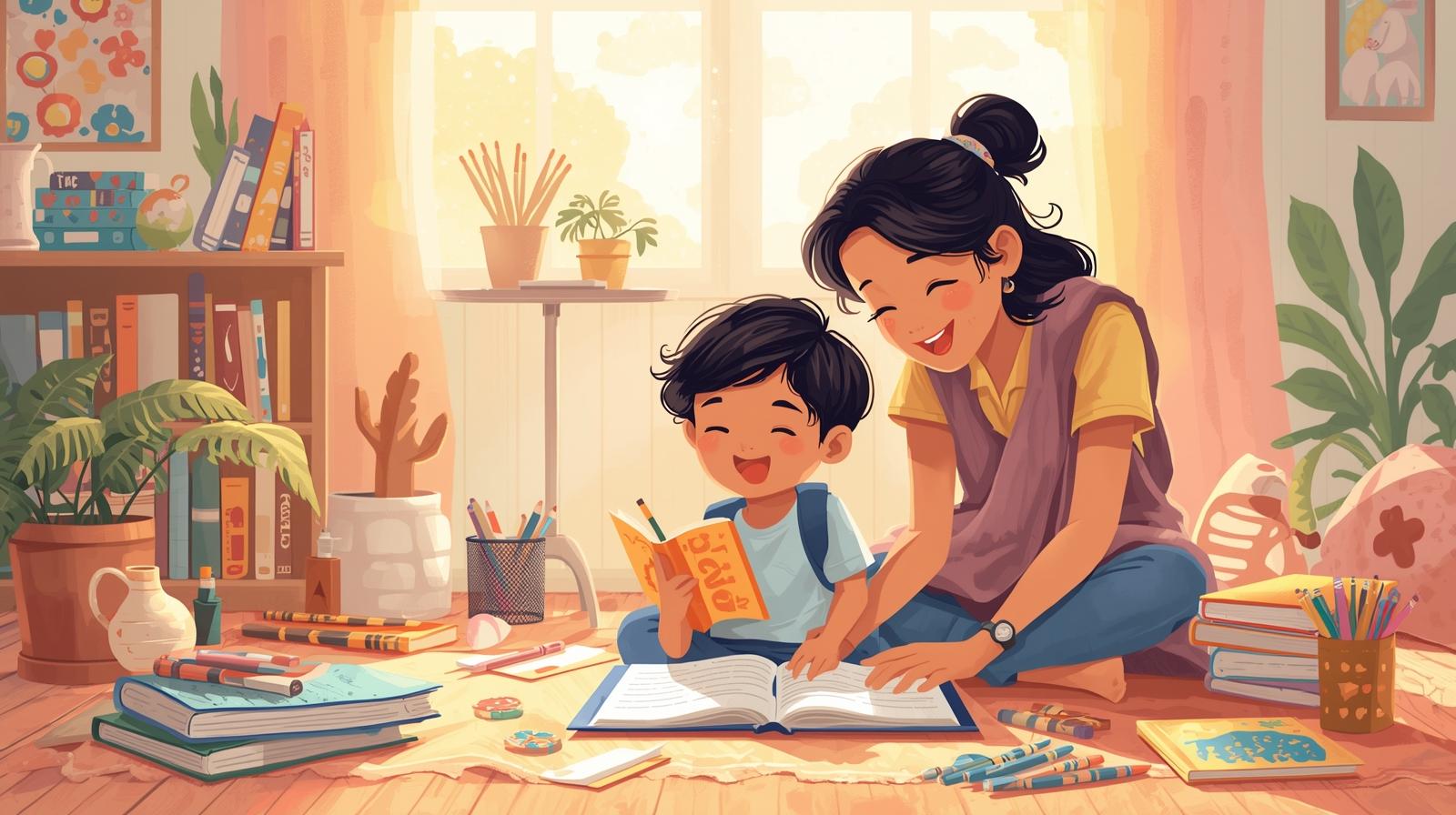
Wondering how Indian parents can prepare kids for school at home—without stress, pressure, or early academics? If your child is under 3 and nursery admission feels closer than you expected, this guide will help you focus on what truly builds school readiness: emotional security, simple routines, and everyday learning moments at home.
“Everyone says I should start preparing… but where do I begin?”
This is a very real concern for many Indian parents. Advice comes from all directions—teach ABCs early, practise interviews, make them sit longer. It’s confusing and often overwhelming.
Here’s a comforting reminder: school preparation at this age is about readiness, not results. Your home, your daily routine, and your relationship with your child already offer the best foundation.
What “school readiness” really means for kids under 3
For toddlers, preparing for school does not mean academic learning. It means helping them feel:
- Emotionally safe away from parents
- Comfortable with simple routines
- Confident exploring new spaces
- Curious about people and materials
How Indian parents can prepare kids for school at home
1. Build emotional security first
Children who feel secure adjust to school more easily.
At home, practise:
- Short separations with grandparents or caregivers
- Calm goodbyes and happy reunions
- Talking positively about new experiences
This helps reduce separation anxiety later.
2. Create gentle daily routines
Indian homes often have flexible schedules, and that’s okay. Still, small routines help children feel safe:
- Fixed meal and sleep times
- A short daily sit-and-play moment
- Bedtime stories or rhymes
Routines don’t need to be strict—just familiar.
3. Encourage communication in everyday life
No flashcards needed. Talk during:
- Bath time
- Cooking
- Dressing
- Walks in the neighbourhood
Respond to gestures, sounds, and words. Communication confidence matters more than perfect speech.
4. Introduce books, crayons, and paper naturally
Let your child:
- Scribble freely
- Flip through picture books
- Point at animals, fruits, vehicles
These small actions help children feel comfortable with classroom materials later.
5. Support independence through daily habits
Nursery teachers value basic self-help skills.
Encourage your child to:
- Eat with a spoon
- Remove shoes
- Wash hands with support
- Pack toys away
These moments build confidence and responsibility.
6. Use play as preparation
Play is the best teacher at this age:
- Pretend play builds social skills
- Blocks and puzzles support thinking
- Songs and rhymes improve listening
Learning through play prepares children emotionally and socially.
What Indian parents often worry about unnecessarily
❌ Teaching ABCs and numbers early
Most nurseries in India do not expect academic learning before admission.
❌ Interview practice
Interviews are usually observations, not tests.
❌ Comparing children
Every child’s development timeline is different—and that’s normal.
Benefits of preparing kids at home
Gentle home-based preparation supports:
- Emotional development: Security and confidence
- Social development: Comfort with adults and peers
- Cognitive development: Curiosity and problem-solving
- Physical development: Fine motor and self-help skills
All without rushing childhood.
A gentle reassurance for Indian parents
If your child feels loved, safe, curious, and supported, you are already preparing them well. School readiness grows from daily life, not pressure.
Trust your instincts.
Trust your child’s pace.
You’re doing enough.
Conclusion: small steps, strong beginnings
Learning how Indian parents can prepare kids for school at home doesn’t require expensive materials or rigid schedules. It grows through everyday routines, warm conversations, playful moments, and emotional security.
Take small, meaningful steps.
Stay calm and consistent.
Celebrate progress, not perfection.
With your love and guidance, your child will walk into school confident, curious, and ready to learn—one gentle step at a time. 🌱
Leave a Reply