
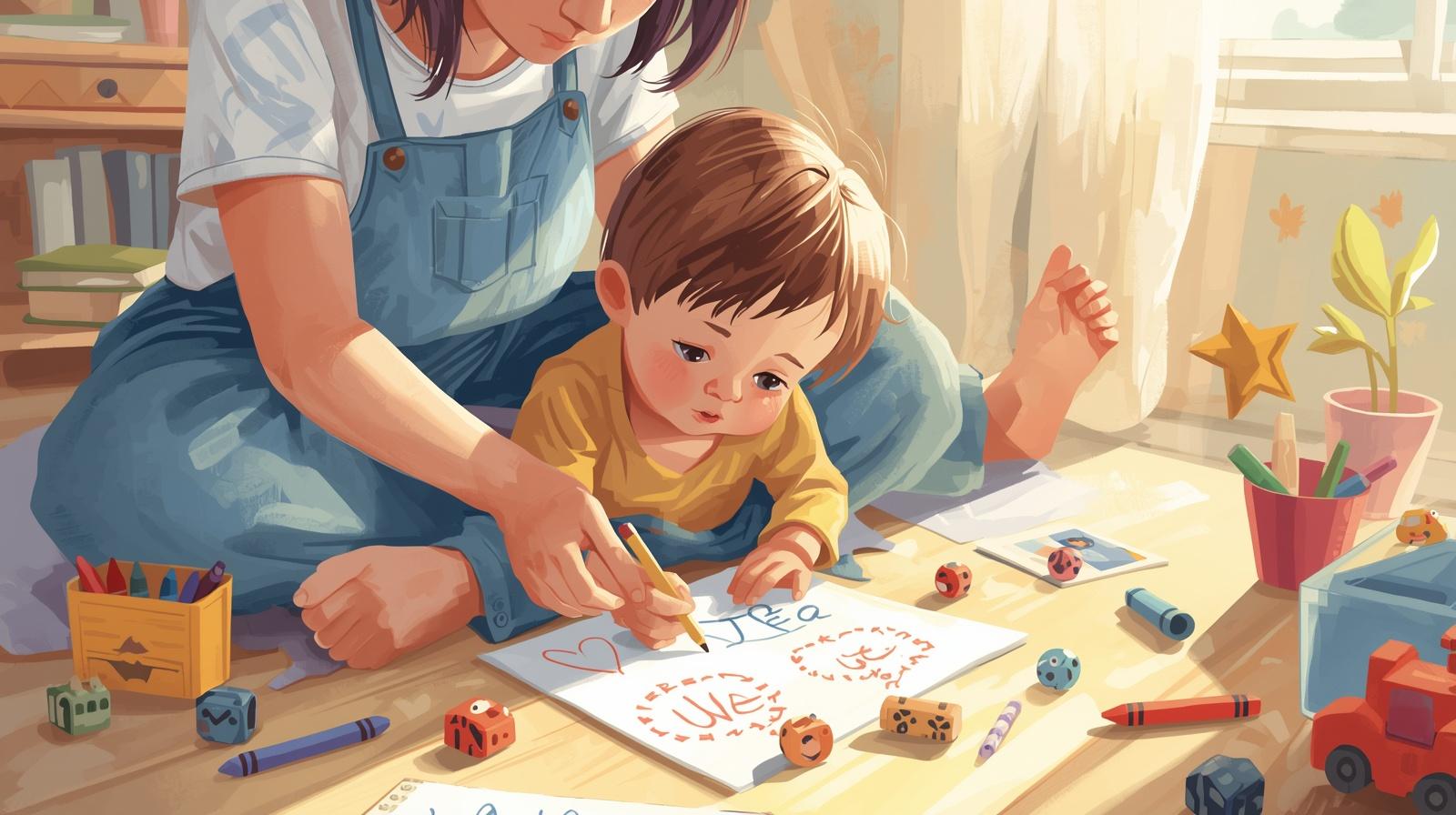
Wondering how worksheets improve school readiness skills—especially for children under 3? Many parents feel unsure about when and how worksheets actually help. This guide gently explains how simple, age-appropriate worksheets, when used the right way, can support early school readiness—without pressure, stress, or unrealistic expectations.
“Is my child really getting ready for school?”
If your toddler prefers scribbling over colouring neatly, or walks away halfway through a worksheet, you might wonder if worksheets are doing anything at all. With nursery admissions around the corner, it’s natural to worry: “Am I preparing my child enough?”
Here’s a reassuring truth: school readiness is not about academics—it’s about skills. Worksheets don’t teach children to be smarter; they help children become more ready—when used gently and thoughtfully.
What school readiness really means for toddlers
For children under 3, school readiness is about:
- Comfort with routines
- Ability to sit briefly with support
- Confidence in trying new activities
- Basic fine motor control
- Familiarity with paper, crayons, and pictures
It’s not about writing letters or numbers.
How worksheets improve school readiness skills (when used right)
1. Build fine motor strength
Simple worksheets encourage toddlers to:
- Hold crayons
- Scribble
- Make marks
These actions strengthen fingers and hands—important for future writing and self-care tasks.
2. Help toddlers get used to sitting briefly
School environments require short periods of sitting.
Worksheets help toddlers practise:
- Sitting for 2–5 minutes
- Focusing on one activity
- Transitioning between play and calm tasks
All at a developmentally appropriate level.
3. Support early thinking skills
Matching, pointing, and recognising pictures on worksheets help develop:
- Observation
- Comparison
- Visual attention
These are early cognitive skills that support classroom learning later.
4. Introduce routines gently
Doing a worksheet sometimes helps toddlers become familiar with:
- Starting an activity
- Exploring materials
- Ending an activity
This builds emotional readiness for structured environments like nursery.
5. Boost confidence through small successes
When worksheets are simple and pressure-free, toddlers experience:
- “I can try” moments
- Positive encouragement
- Emotional safety while learning
Confidence matters more than correctness.
What worksheets don’t do for school readiness
It’s important to be clear—worksheets do not:
- Make children academically advanced
- Replace play-based learning
- Speed up development
- Predict future success
They are a supporting tool, not the foundation.
How to use worksheets to truly support school readiness
Choose the right worksheets
Look for:
- Big pictures
- One simple task per page
- Open-ended scribbling or matching
- No writing or tracing pressure
Keep sessions short and calm
- 1 worksheet at a time
- 2–5 minutes only
- Stop when interest fades
Ending early builds positive associations.
Always sit with your child
Your presence turns worksheets into:
- A shared experience
- A language-building moment
- A confidence-boosting activity
Balance worksheets with play
Worksheets should be a small part of the day.
Balance them with:
- Free play
- Movement
- Storytime
- Music and pretend play
How often should worksheets be used?
For children under 3:
- 1–2 days a week is enough
- 1 worksheet per session is plenty
- Some weeks, none at all—and that’s okay
School readiness grows through variety, not volume.
A gentle reassurance for parents
If your child can explore, play, follow simple routines, and feel emotionally secure, they are becoming school-ready. Worksheets don’t define readiness—you do through your time, patience, and support.
You are not behind. You are preparing your child thoughtfully.
Conclusion: worksheets as support, not pressure
So, how do worksheets improve school readiness skills?
By gently introducing structure, strengthening small hands, building confidence, and supporting focus—when used wisely.
Keep them simple.
Keep them short.
Keep them joyful.
Combined with play and connection, these small moments help your child step into nursery feeling confident, capable, and ready to learn—one calm experience at a time. 🌱
Leave a Reply