
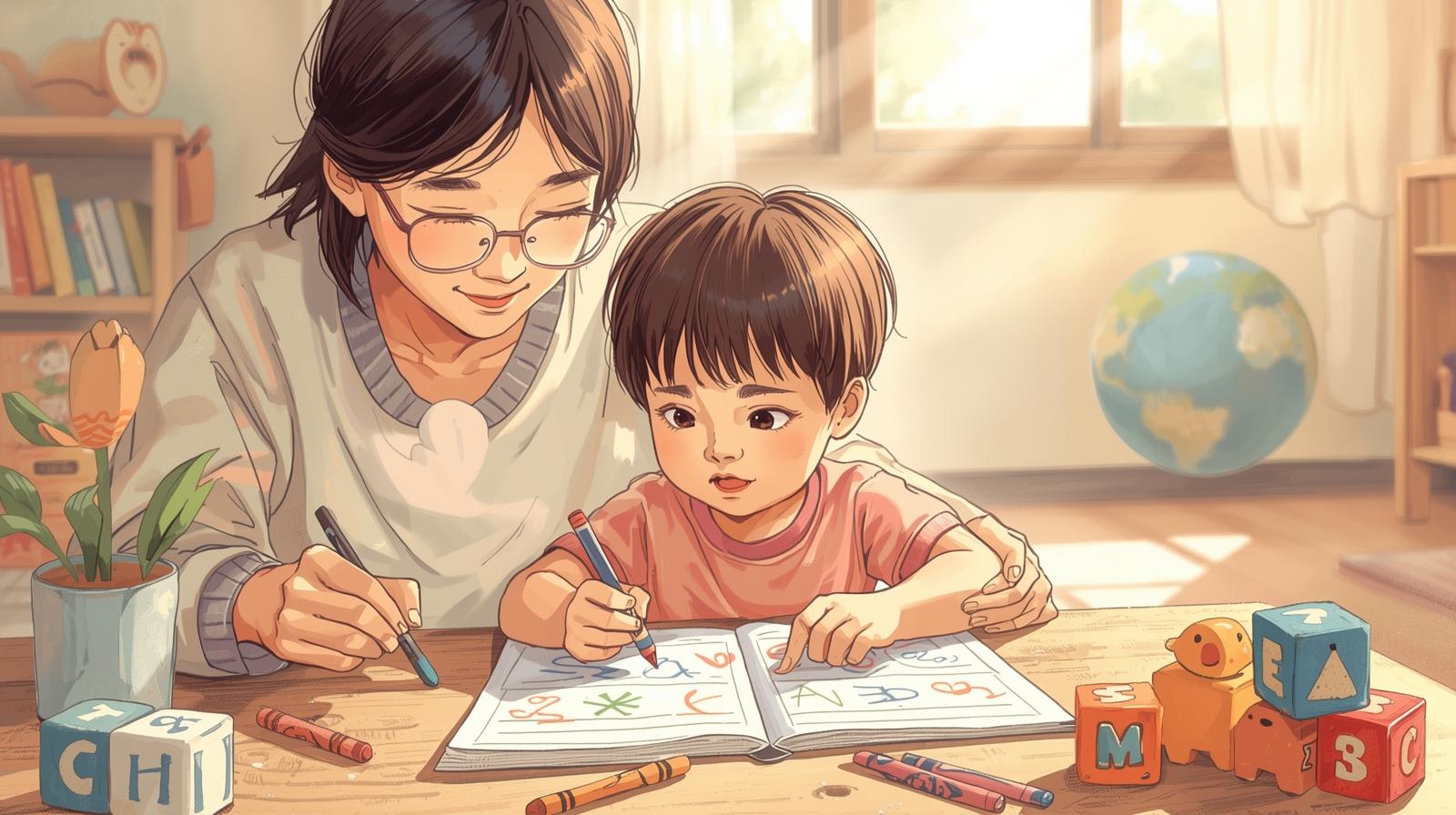
Confused about pre-nursery worksheets—what to choose and what to avoid? If your child is under 3 and you want to support learning without pressure, this guide will help you make calm, confident choices. We’ll walk through which worksheets can gently support development—and which ones are best skipped—so learning stays joyful and age-appropriate.
“I want to help my child… but I don’t want to push too early.”
Many parents feel this tension. You see worksheets everywhere and wonder if your toddler should be doing more. Maybe your child scribbles for a minute and moves on—and you worry if that’s enough.
Here’s a reassuring truth: pre-nursery learning isn’t about finishing worksheets. It’s about exploration, movement, and connection. Worksheets can help a little—but only when chosen thoughtfully.
What worksheets are meant to do for kids under 3
For pre-nursery children, worksheets should:
- Introduce paper and crayons
- Encourage simple hand movements
- Spark curiosity through pictures
- Create a calm moment of togetherness
They are not meant to teach academics or demand focus.
Benefits of the right pre-nursery worksheets
When used gently and occasionally, suitable worksheets can support:
- Fine motor development: Holding crayons, scribbling
- Cognitive development: Matching, noticing similarities
- Emotional development: Confidence from trying something new
- Routine comfort: Familiarity with paper-based activities
The benefit comes from experience, not performance.
What to choose: pre-nursery worksheets that work
1. Scribbling & free drawing worksheets
Why they’re good:
They allow open-ended exploration with no rules.
What to look for:
- Big blank spaces
- Simple borders or friendly images
2. Simple colouring worksheets
Choose:
- One large image (fruit, animal, vehicle)
- Bold outlines
Avoid:
- Tiny details
- ‘Colour inside the lines’ instructions
3. Basic matching worksheets
Good examples:
- Match the same picture
- Match parent and baby animals
- Match identical shapes
Why they help:
Build observation and early thinking skills.
4. Shape and colour recognition sheets
How to use them:
- Ask your child to point
- Name shapes and colours together
- Scribbling over shapes is okay
Recognition matters more than tracing.
5. Sticker worksheets (optional)
Why toddlers enjoy them:
Stickers strengthen fingers and improve focus.
Keep it simple:
One sticker task per page.
What to avoid: worksheets that add pressure
❌ Letter and number writing sheets
Toddlers’ hands are not ready for controlled writing.
❌ Tracing-heavy worksheets
Repeated tracing can cause frustration and reduce interest.
❌ Multi-task worksheets
Pages with many instructions overwhelm young children.
❌ Worksheets that expect sitting still
Toddlers learn best through movement and play.
❌ Comparison-based worksheets
Anything meant to “check progress” is unnecessary at this age.
How often should pre-nursery worksheets be used?
A gentle guideline for kids under 3:
- 1–2 worksheets per session
- 1–2 days per week
- 2–5 minutes at a time
Some weeks, none at all—and that’s completely fine.
Tips to use worksheets without pressure
- Sit with your child
- Let them scribble, tear, or colour freely
- Talk about pictures instead of finishing tasks
- Stop when interest fades
- Balance worksheets with lots of play and movement
A gentle reassurance for parents
If your child plays, explores, moves, talks, and feels emotionally safe, they are learning beautifully. Pre-nursery worksheets do not define readiness or intelligence. Your patience, presence, and connection matter far more than any page completed.
You’re doing enough—and you’re doing it thoughtfully.
Conclusion: choose gently, skip confidently
When it comes to pre-nursery worksheets—what to choose and what to avoid, remember this simple rule:
Choose worksheets that invite exploration.
Avoid those that demand performance.
Keep things simple.
Follow your child’s interest.
And trust that learning is happening every day—through play, love, and shared moments.
Those small, calm choices today are building confident, curious learners for tomorrow. 🌱
Leave a Reply