
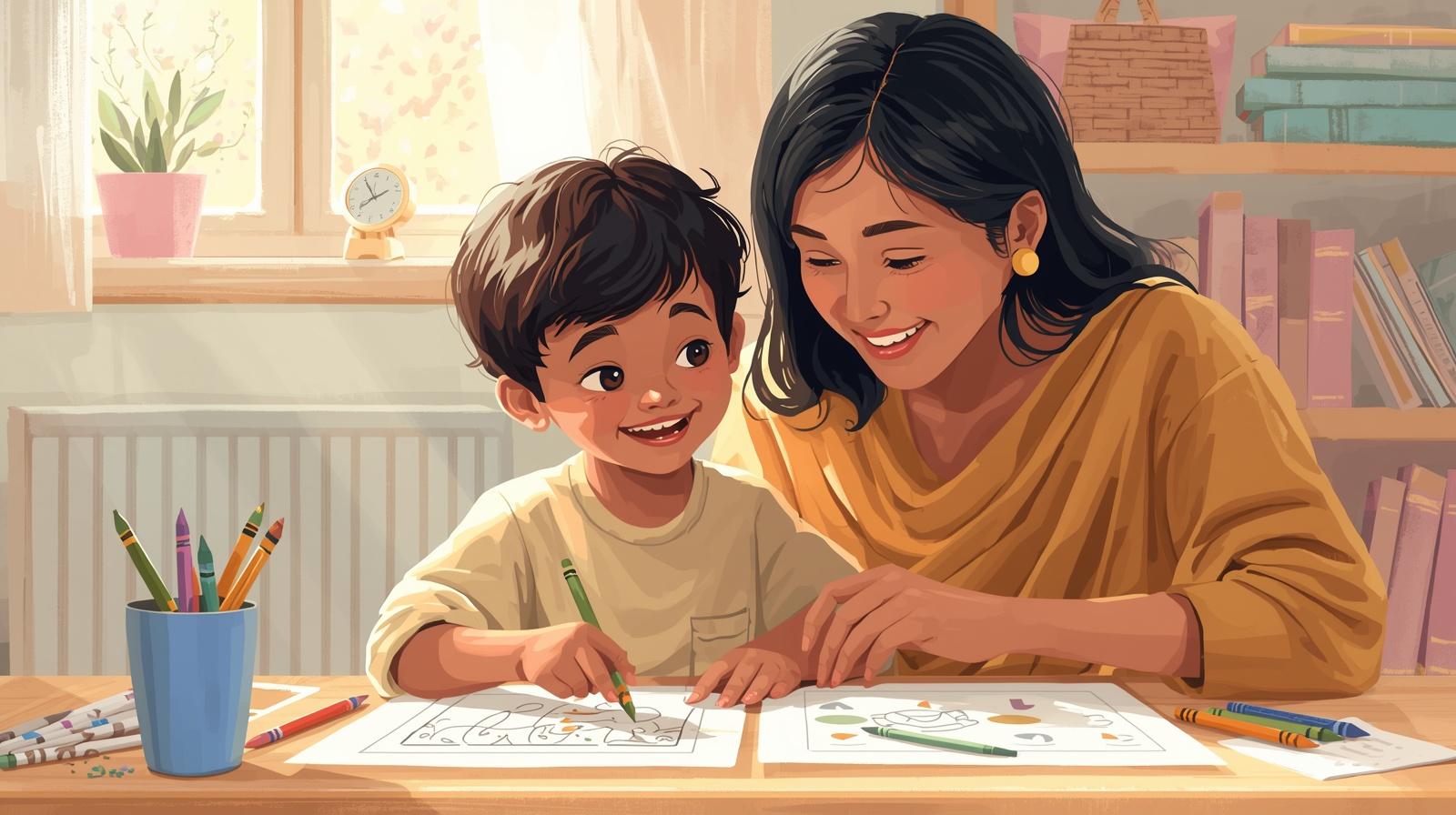
Looking for printable learning activities for toddlers at home that are simple, engaging, and pressure-free? If your child is under 3 and you want to gently introduce early learning—without screens or stress—this guide will help you use printables in a way that supports development and keeps childhood joyful.
“I want to do something meaningful at home… but I don’t want to overdo it.”
Many parents feel this exact pull. You want to support your toddler’s learning, but you don’t want to turn playtime into homework. Maybe your child scribbles for a minute and then runs off—and you wonder if that “counts.”
Here’s a comforting truth: it absolutely counts. For toddlers, learning happens in short bursts, through curiosity and connection—not long sitting sessions.
What printable learning activities really mean for toddlers
For children under 3, printable learning activities are not lessons. They are:
- Invitations to explore paper and crayons
- Opportunities to move little hands and fingers
- Moments of shared attention with you
There’s no need to finish pages or get “right answers.”
Benefits of printable learning activities (when used gently)
When used occasionally and playfully, printables can support:
- Fine motor development: Scribbling, colouring, sticking
- Cognitive development: Matching, observing, recognising
- Emotional development: Confidence from trying new things
- Routine comfort: Getting familiar with paper-based activities
The key is light use and low expectations.
Best printable learning activities for toddlers at home
1. Scribbling & free drawing printables
What they look like:
Big blank areas, simple borders, friendly images.
Why they work:
They encourage hand movement and creativity—no rules needed.
2. Simple colouring pages
Best choice:
One large picture—animals, fruits, vehicles, or familiar objects.
Tip:
Let your toddler colour anywhere on the page.
3. Matching printables (very basic)
Examples:
- Match the same picture
- Match parent and baby animals
- Match identical shapes
Why they help:
Build early thinking and observation skills.
4. Shape recognition printables
How to use:
Invite your child to point, trace, or scribble over shapes.
Remember:
Recognition matters more than tracing neatly.
5. Colour recognition printables
Simple approach:
Ask your child to point to colours or name objects—colouring is optional.
6. Sticker-based printables (if available)
Why toddlers love them:
Stickers build finger strength and focus.
Keep it simple:
One sticker task per page.
How often should toddlers use printable activities?
For children under 3:
- 1–2 times a week is enough
- 5 minutes per session is plenty
- Some weeks, none at all—and that’s perfectly okay
Printable learning should feel like a choice, not a routine.
Tips to use printables without pressure
- Sit with your child
- Let them scribble, tear, or colour freely
- Talk about pictures instead of completing tasks
- Stop when interest fades
- Balance printables with lots of play and movement
What printables should not include
Avoid printables that:
- Expect writing letters or numbers
- Have multiple tasks on one page
- Require long sitting
- Are compared with other children’s work
These are not developmentally appropriate for toddlers.
A gentle reassurance for parents
If your toddler plays, explores, moves, talks, and feels emotionally safe, they are learning well. Printable learning activities are optional tools—not a measure of intelligence or readiness. Your time, patience, and presence matter far more than any printable sheet.
You’re doing enough.
Conclusion: simple printables, meaningful moments
When used thoughtfully, printable learning activities for toddlers at home can add variety and fun—without pressure or expectations.
Choose simple pages.
Keep sessions short.
Enjoy the moment together.
Combined with play, conversation, and movement, these small experiences help build curiosity and confidence—one happy scribble at a time. 🌱
Leave a Reply