
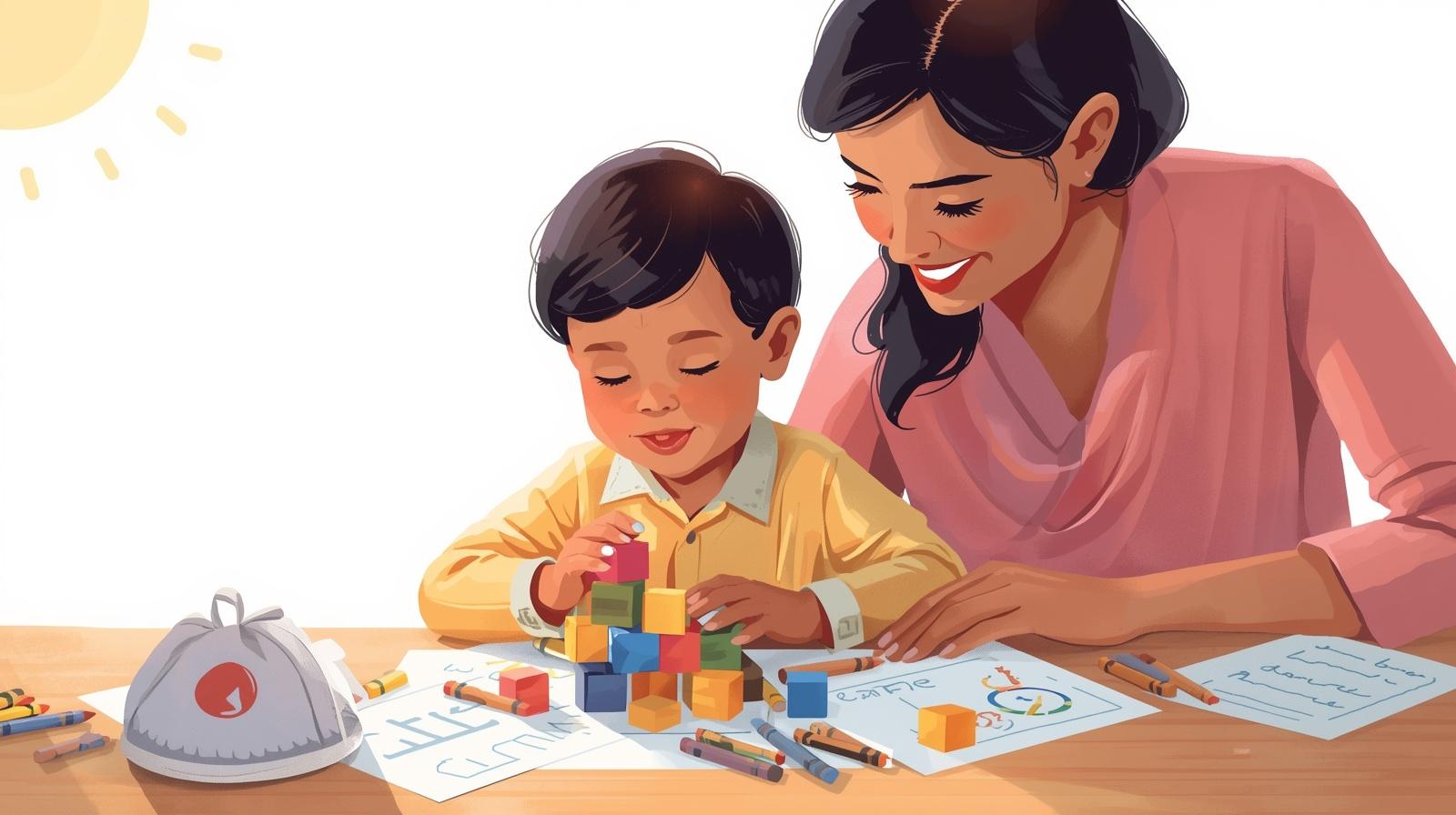
Wondering when kids should start using worksheets—and whether your toddler really needs them right now? You’re not alone. Many parents of children under 3 feel torn between wanting to support learning and not wanting to push too early. This guide offers clear, reassuring answers and practical next steps—without pressure or guilt.
“Everyone around me is giving worksheets… am I late?”
If you’ve seen colourful worksheets advertised for toddlers or heard other parents talk about tracing and matching sheets, it’s natural to worry. You might ask, “Should my child be doing this already?” or “Will they fall behind if we wait?”
Here’s a comforting truth: there’s no rush. For young children, timing matters far more than tools—and worksheets are just one small option, not a requirement.
What worksheets are (and aren’t) for young children
Worksheets usually involve paper-based tasks like:
- Scribbling or colouring
- Matching pictures
- Tracing lines or shapes
They’re designed for short focus and fine motor practice, not for teaching big concepts to very young children. For kids under 3, learning happens best through play, movement, and interaction.
When should kids actually start using worksheets?
There’s no universal age—but most early childhood experts agree on this general guideline:
- Under 3 years: Worksheets are optional and should be rare, playful, and pressure-free
- Around 3–4 years: Simple worksheets can be introduced occasionally, alongside play
- 4+ years: Worksheets may become more useful as attention span and hand strength grow
Even then, worksheets should support learning—not replace play.
Why worksheets too early can feel hard for toddlers
Toddlers are still developing:
- Finger and hand strength
- Body control
- Attention span
- Emotional regulation
Expecting them to sit and complete a sheet can lead to frustration, not learning. That’s why many toddlers:
- Scribble briefly and leave
- Tear the paper
- Lose interest quickly
All of this is completely normal.
What worksheets can offer—when used gently
When introduced at the right time and in the right way, worksheets can:
- Familiarise children with paper and crayons
- Offer brief fine motor practice
- Help children get used to sitting for a short moment
But these benefits are small and optional, not essential.
What supports early childhood development better than worksheets
1. Play-based activities
Blocks, puzzles, pretend play, and sorting games build stronger thinking skills than paper tasks.
2. Fine motor play
Activities like playdough, tearing paper, spooning, and pouring naturally prepare hands for future writing.
3. Talking, singing, and reading
Conversation and shared reading build language and attention far more effectively than tracing lines.
4. Movement and exploration
Crawling, climbing, running, and dancing strengthen the brain-body connection—something worksheets can’t do.
If you choose to introduce worksheets, try this approach
If you feel curious to try worksheets, keep them toddler-friendly:
- Use one sheet at a time
- Keep it under 5 minutes
- Sit with your child
- Allow scribbling or colouring anywhere
- Stop as soon as interest fades
Think of worksheets as playful exposure, not a task to finish.
What parents don’t need to worry about
You can safely let go of these fears:
- ❌ “My child isn’t tracing yet”
- ❌ “Other kids are doing worksheets”
- ❌ “Nursery schools expect this”
Most nurseries focus on comfort, independence, and readiness to explore—not worksheet completion.
A gentle reassurance for parents
If your child is curious, active, playful, and emotionally secure, they are learning exactly as they should. Worksheets don’t measure intelligence or readiness—connection and experience do.
You’re not behind. You’re building strong foundations.
Conclusion: timing matters more than tools
So, when should kids start using worksheets?
When they’re ready—and only as a small part of a much bigger learning picture.
Focus first on:
- Play
- Movement
- Conversation
- Connection
Those everyday moments matter most. Take small, thoughtful steps, trust your child’s pace, and know that learning is unfolding beautifully—one experience at a time. 🌱
Leave a Reply