
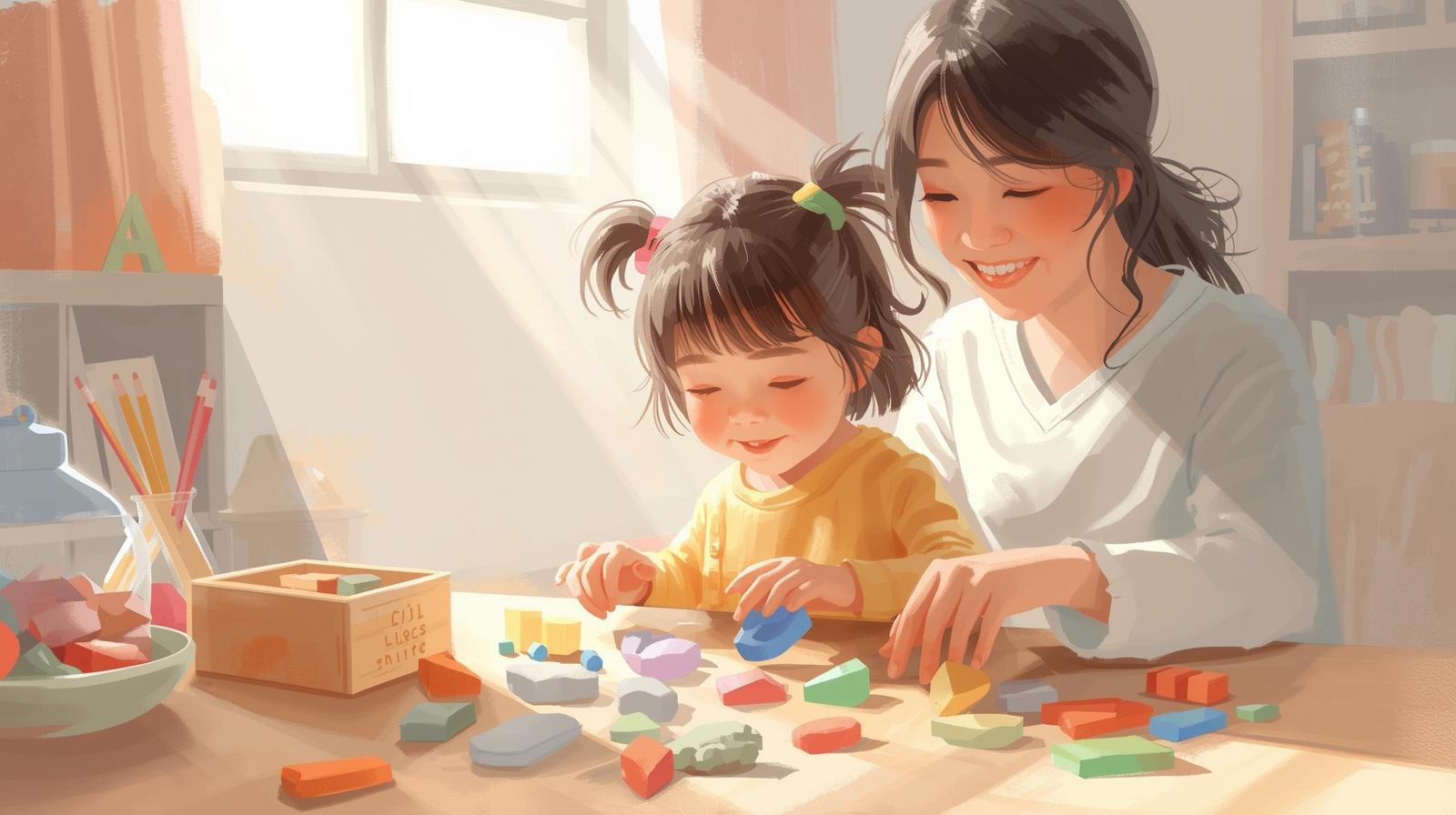
Looking for easy, screen-free sorting & matching activities for toddlers that actually build thinking skills? This guide helps parents of children under 3 turn everyday play into meaningful learning—supporting early brain development through simple, joyful games that feel natural, not forced.
“My toddler keeps lining things up—should I stop it?”
If your child loves pairing socks, fitting lids on containers, or grouping toys, you might wonder if it’s just a habit—or something more. The reassuring answer: it’s powerful learning. Sorting and matching are some of the earliest ways toddlers make sense of their world.
And the best part? You don’t need special toys or long sessions to support it.
What are sorting & matching activities for toddlers?
Sorting and matching activities help toddlers notice similarities and differences. At this age, it looks like:
- Putting like things together
- Finding objects that “go together”
- Trying again when something doesn’t fit
- Feeling proud when it works
These playful actions lay the foundation for problem-solving later on.
Why sorting & matching matter for early childhood development
These activities gently support multiple areas of growth:
- Cognitive development: Observation, comparison, early logic
- Language development: Words like same/different, colours, objects
- Fine motor skills: Grasping, placing, hand–eye coordination
- Emotional confidence: Small successes build self-belief
- Social skills: Turn-taking and shared play with adults
Learning feels safe and rewarding—never pressured.
Simple sorting & matching activities for toddlers
1. Sock matching game
How to play:
Mix a few pairs of socks and invite your toddler to find the matching ones.
Why it helps:
Builds visual discrimination and memory.
2. Lid and container matching
How to play:
Offer safe containers with lids and let your child explore fitting them together.
Why it helps:
Encourages trial-and-error thinking and coordination.
3. Colour sorting with toys
How to play:
Place a few bowls on the floor and sort toys by colour—red toys here, blue toys there.
Why it helps:
Supports early categorisation and colour recognition.
4. Shape matching using daily objects
How to play:
Group round items (balls, lids) and flat or square items (books, boxes).
Why it helps:
Builds shape awareness through real-life objects.
5. Picture-to-object matching
How to play:
Use a picture book and match real objects to pictures—cup, ball, spoon.
Why it helps:
Strengthens memory, language, and connection between images and real life.
6. Sound matching game
How to play:
Shake two containers with the same sound and invite your toddler to find the matching pair.
Why it helps:
Develops listening skills and auditory memory.
Tips to keep sorting & matching stress-free
- Start with 2–3 items only
- Let your child explore—don’t rush to correct
- Describe what you see: “These look the same!”
- Stop when interest fades
- Praise effort, not accuracy
Short, happy play sessions are enough.
What sorting & matching activities don’t need
Gently let go of:
- ❌ Perfection
- ❌ Speed
- ❌ Worksheets or flashcards
- ❌ Comparing with other children
If your toddler mismatches, they’re still learning.
A gentle reassurance for parents
Some toddlers sort early. Others explore randomly for a long time. Both are healthy paths. Learning at this age is about trying, noticing, and repeating—not getting it “right.”
Your calm presence makes learning feel safe and fun.
Conclusion: small games, strong thinking skills
When it comes to sorting & matching activities for toddlers, remember that big learning grows from small, playful moments.
Choose one simple game today.
Play it together for a few minutes.
And trust that these joyful interactions are strengthening your child’s thinking skills—one happy match at a time. 🌱
Leave a Reply