
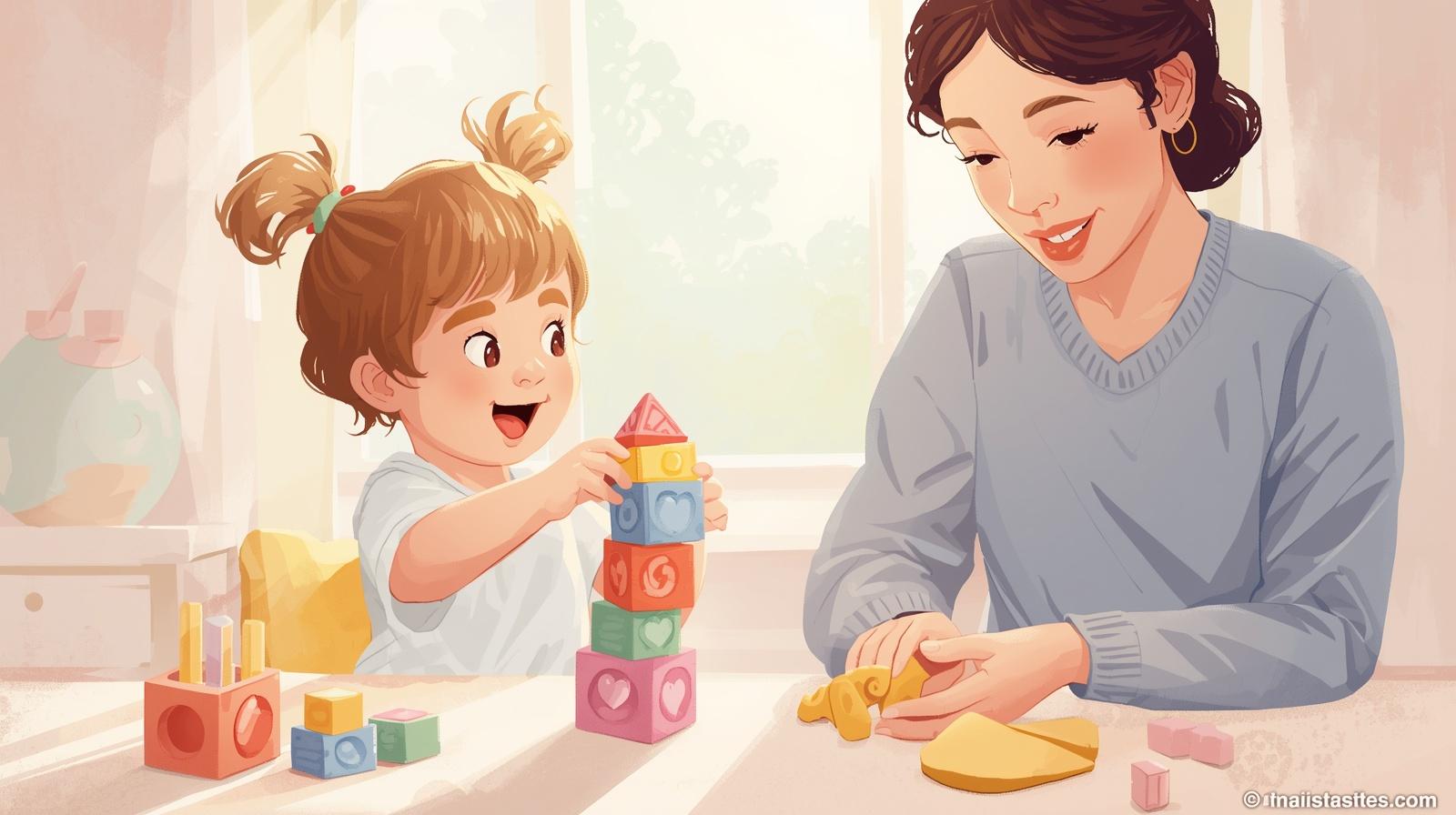
Looking for fine motor skill activities for pre-nursery kids that are easy, playful, and pressure-free? This guide helps parents of children under 3 support hand and finger development through everyday activities—building confidence, coordination, and school readiness in a warm, natural way.
“My child is small… do fine motor skills really matter now?”
If your toddler struggles to hold a crayon, drops things often, or loses interest quickly, you might wonder whether it’s too early to focus on fine motor skills.
Here’s the reassuring truth: fine motor skills begin developing long before writing starts. For pre-nursery children, it’s all about strengthening little hands through play—no drills, no expectations, just joyful exploration.
What are fine motor skills for pre-nursery kids?
Fine motor skills involve the small muscles of the hands and fingers that help children:
- Hold objects
- Pick up small items
- Turn pages
- Feed themselves
- Later, write and draw
These skills grow best through hands-on play, not worksheets.
Why fine motor skill activities matter before nursery
Strong fine motor skills support early childhood development by helping with:
- Physical development: Stronger fingers, wrists, and hand control
- Cognitive development: Focus, planning, and coordination
- Emotional development: Confidence from doing things independently
- School readiness: Easier transition to drawing, art, and self-care tasks
Small hands need time—and play—to grow strong.
Fine motor skill activities for pre-nursery kids
1. Playdough squeezing and rolling
How to do it:
Let your child squeeze, roll, pinch, and pull soft dough.
Why it helps:
Builds finger strength and hand control.
2. Tearing and crumpling paper
How to do it:
Give old newspapers or coloured paper to tear or crumple.
Why it helps:
Strengthens finger muscles and coordination.
3. Posting and dropping games
How to do it:
Drop coins, blocks, or buttons into a box or container.
Why it helps:
Improves hand–eye coordination and focus.
4. Scribbling and drawing freely
How to do it:
Offer thick crayons and large paper—no rules.
Why it helps:
Develops grip strength and wrist movement.
5. Stacking and building
How to do it:
Stack blocks, cups, or bowls together.
Why it helps:
Builds coordination, balance, and patience.
6. Finger painting and sensory art
How to do it:
Let your child explore paints with fingers or hands.
Why it helps:
Encourages finger movement, creativity, and confidence.
7. Everyday self-care activities
Daily routines are powerful fine motor practice.
Encourage your child to:
- Try self-feeding
- Open containers
- Turn book pages
- Put toys into a basket
Tips to keep fine motor activities stress-free
- Keep activities short (5–10 minutes)
- Let your child explore freely
- Avoid correcting grip or technique
- Repeat favourite activities often
- Focus on effort, not outcome
What fine motor practice does not require
Gently let go of:
- ❌ Writing practice
- ❌ Tracing worksheets
- ❌ Perfect pencil grip
- ❌ Comparison with other children
Development happens at different speeds—and that’s healthy.
A gentle reassurance for parents
Some children develop hand strength quickly. Others take time. Both are normal. If your child is using their hands to explore, they are learning—even if it looks messy or slow.
Your patience and encouragement make all the difference.
Conclusion: strong little hands, confident little learners
When it comes to fine motor skill activities for pre-nursery kids, remember that progress comes from playful repetition—not pressure.
Choose one simple activity today.
Enjoy it together.
Repeat it often.
These small, joyful moments are quietly strengthening your child’s hands—and building confidence for everything that comes next. 🌱
Leave a Reply