
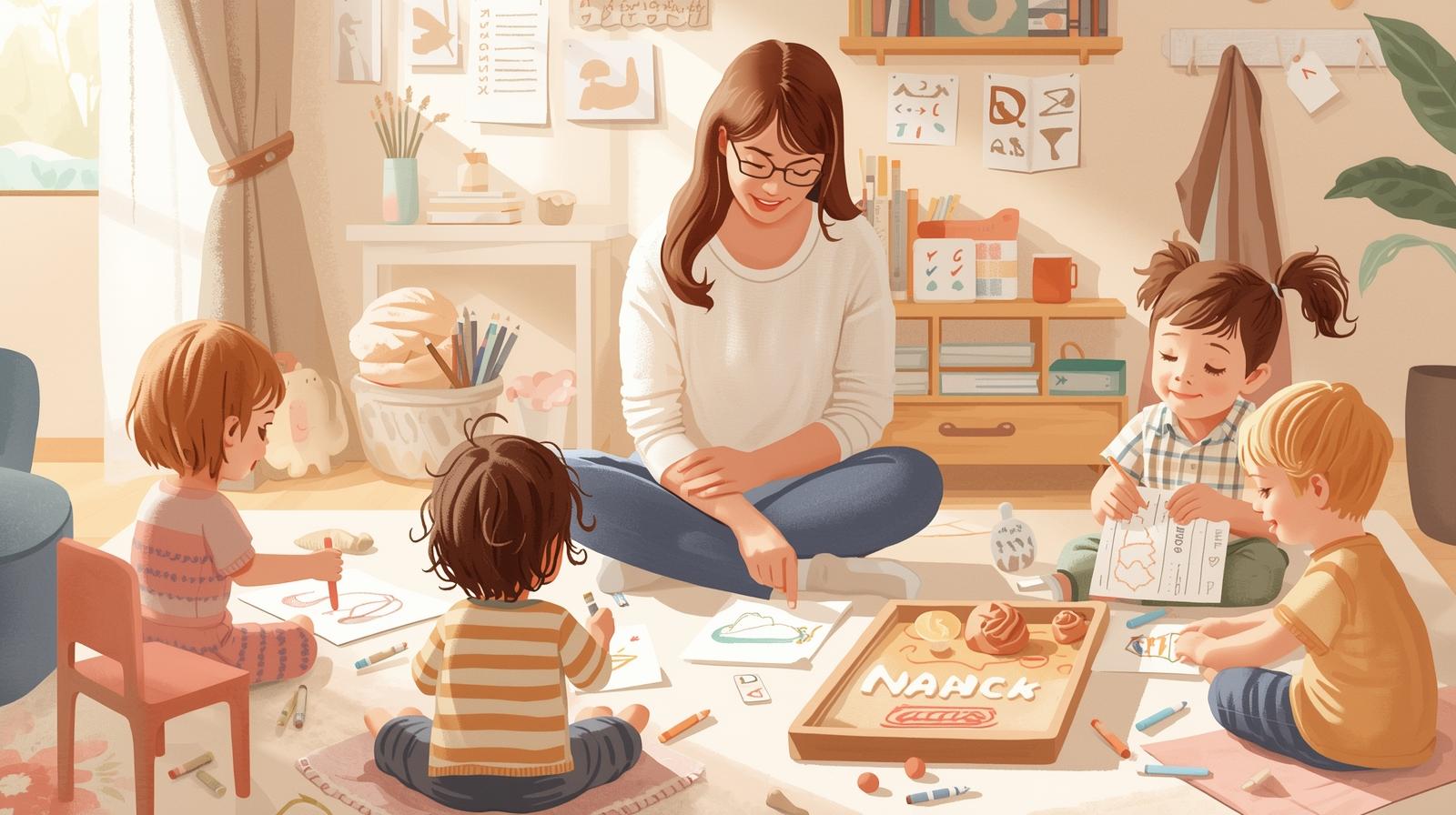
Looking for easy pre-writing activities for toddlers at home—without pressure, worksheets, or expectations? This guide helps parents of children under 3 understand how simple, playful activities can gently prepare little hands for writing later, while supporting overall early childhood development in a fun, stress-free way.
“Is my toddler too young for pre-writing?”
Many parents ask this—especially when they see children holding crayons or tracing lines. If your toddler is still scribbling randomly, gripping things awkwardly, or losing interest quickly, take a deep breath. 💛
Here’s the reassuring truth: pre-writing is not about writing letters. It’s about strengthening hands, improving coordination, and enjoying movement. And all of this can start naturally—right at home.
What does “pre-writing” really mean for toddlers under 3?
Pre-writing skills are the building blocks that come before writing. For toddlers, this includes:
- Hand and finger strength
- Hand–eye coordination
- Arm and shoulder movement
- Comfort holding and exploring tools
These skills grow best through play—not drills.
Why pre-writing activities are helpful at this age
Gentle pre-writing activities support:
- Physical development: Strengthens hands, arms, and fingers
- Cognitive development: Builds focus and coordination
- Emotional development: Boosts confidence through exploration
- School readiness: Makes future writing feel easier and natural
Most importantly, they keep learning joyful.
Easy pre-writing activities for toddlers at home
1. Scribbling freely (no rules!)
Give your toddler crayons or thick pencils and large paper.
How to do it:
- Let them scribble any way they like
- Avoid correcting grip or direction
- Celebrate the effort, not the result
Why it helps:
Builds hand strength and control.
2. Drawing in sand, flour, or rice
Sensory drawing is powerful and fun.
Try this:
- Spread flour or sand on a tray
- Let your child draw lines with fingers
- Join in and model simple strokes
Why it helps:
Improves finger movement and sensory awareness.
3. Playdough squeezing and rolling
Hands-on play builds strong fingers.
Activities:
- Squeezing dough
- Rolling it into balls or snakes
- Pinching and pulling
Why it helps:
Strengthens small muscles needed for writing later.
4. Tearing and pasting paper
Simple craft = powerful learning.
How to do it:
- Tear old newspapers or colored paper
- Paste pieces onto a sheet
- Let it be messy
Why it helps:
Builds hand strength and coordination.
5. Finger painting
Let your toddler explore with hands.
Tips:
- Use safe, washable paints
- Focus on movement, not shapes
- Talk about colors and feelings
Why it helps:
Encourages arm movement and creativity.
6. Threading and posting games
Simple fine-motor challenges are great.
Ideas:
- Dropping coins into a box
- Threading large beads
- Posting sticks through holes
Why it helps:
Improves hand–eye coordination and focus.
What pre-writing activities should not include
Gently avoid:
- ❌ Tracing worksheets
- ❌ Forcing pencil grip
- ❌ Correcting every movement
- ❌ Comparing with other children
Toddlers learn best when they feel free—not evaluated.
Tips to keep pre-writing stress-free
- Keep activities short (5–10 minutes)
- Stop before boredom or frustration
- Repeat favorite activities often
- Join in—your presence motivates more than instructions
A gentle reassurance for parents
Some days your toddler will love these activities. Other days, they’ll walk away in seconds—and that’s perfectly okay. Pre-writing skills develop slowly and naturally.
You’re not behind. You’re building the foundation—one playful moment at a time.
Conclusion: playful hands today, confident writing tomorrow
When it comes to easy pre-writing activities for toddlers at home, remember that writing doesn’t begin with letters—it begins with play, movement, and joy.
Choose one simple activity today.
Repeat it often.
And trust that these small, loving steps are preparing your child beautifully for the future.
You’re doing an amazing job. 🌱
Leave a Reply