
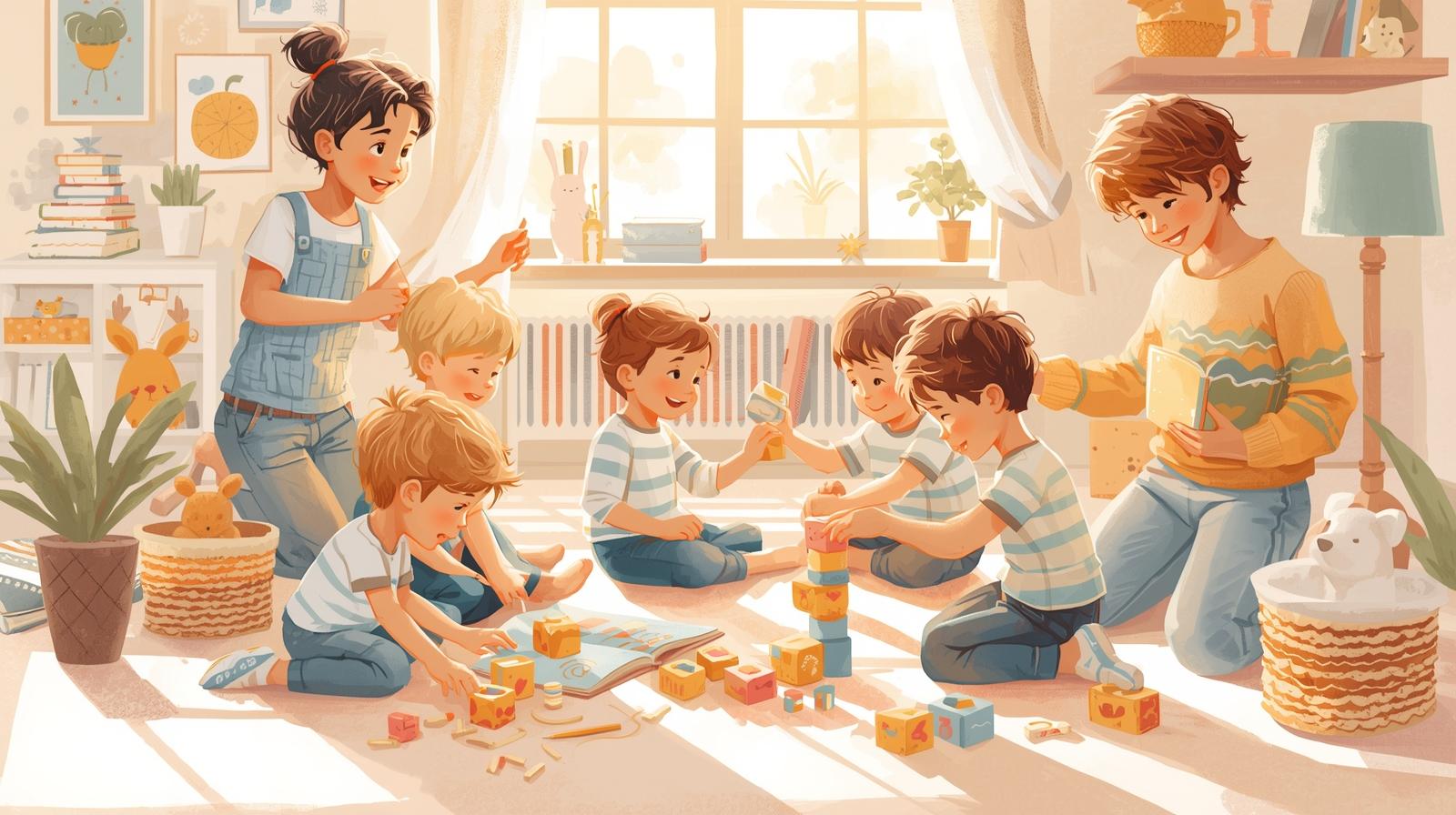
Preparing your child for nursery doesn’t mean rushing into books or worksheets. This guide on pre-learning activities for kids before nursery class helps parents of children under 3 understand how simple, play-based experiences at home can gently build the skills children need to feel confident, comfortable, and ready for their first school environment.
“Should my child start learning before nursery?”
If your child is approaching nursery age, this question may keep coming back. You might hear advice like “Start early” or “They should know something by now”—and suddenly, doubt creeps in.
Here’s a calming truth: pre-learning is not about teaching academics. It’s about helping your child develop curiosity, confidence, and comfort with everyday routines. And that begins naturally—right at home.
What does “pre-learning” really mean for kids under 3?
Pre-learning activities are experiences that prepare a child’s mind, body, and emotions for learning later. These activities don’t involve pressure or outcomes.
Pre-learning focuses on:
- Emotional security
- Communication
- Movement and coordination
- Attention and curiosity
- Independence in small tasks
Why pre-learning activities matter before nursery class
Before a child can enjoy group activities or follow instructions in nursery, they need a strong foundation.
Key benefits for early childhood development:
- Emotional development: Children feel safer in new environments
- Cognitive development: Curiosity and problem-solving grow naturally
- Physical development: Movement supports brain growth
- Social development: Comfort around adults and other children increases
These skills make nursery adjustment smoother and happier.
Pre-learning activities for kids before nursery class
1. Talking and listening during daily routines
Your voice is your child’s first learning tool.
Simple ideas:
- Talk while dressing, bathing, or cooking
- Name objects and actions
- Respond to babbling or single words
Why it helps:
Builds language skills and emotional connection.
2. Free play and exploration
Toddlers learn best when they explore freely.
Encourage:
- Floor play with blocks, cups, or soft toys
- Safe exploration around the house
- Independent play while you stay nearby
3. Movement and physical activities
Movement fuels learning at this age.
Daily movement ideas:
- Crawling, walking, climbing safely
- Dancing to music
- Rolling or throwing a soft ball
Why it helps:
Strengthens coordination, balance, and confidence.
4. Simple routines and transitions
Nursery follows a routine—and toddlers feel safer with predictability.
At home, try:
- Fixed meal and sleep times
- A short bedtime routine
- Cleaning up toys together
5. Storytime and quiet moments
Short calm activities prepare children for group settings.
Try:
- Reading picture books
- Singing action rhymes
- Sitting together for a few quiet minutes
Why it helps:
Builds attention span and listening skills.
6. Encouraging small acts of independence
Independence builds confidence—not pressure.
Encourage your child to:
- Try self-feeding
- Remove shoes or socks
- Choose between two simple options
What pre-learning does not need to include
Gently let go of these common worries:
- ❌ Worksheets or flashcards
- ❌ Teaching alphabets or numbers
- ❌ Long sitting activities
- ❌ Comparing with other children
Toddlers learn best through play, not performance.
A gentle reassurance for parents
Some days will feel productive. Others will feel messy or slow. Both are part of healthy development. Pre-learning doesn’t need perfection—just consistency and care.
Your calm presence and encouragement are already doing the work.
Conclusion: small steps before big beginnings
When it comes to pre-learning activities for kids before nursery class, remember that preparation doesn’t mean pressure. It means offering loving experiences that help your child feel safe, capable, and curious.
Start with one simple activity today.
Repeat it tomorrow.
And trust that these small, meaningful moments are shaping a confident start to nursery—and beyond. 🌱
Leave a Reply